Artist Proof: Meaning, Value & Tips for Buying Fine Art Prints - Perrotin Store Paris
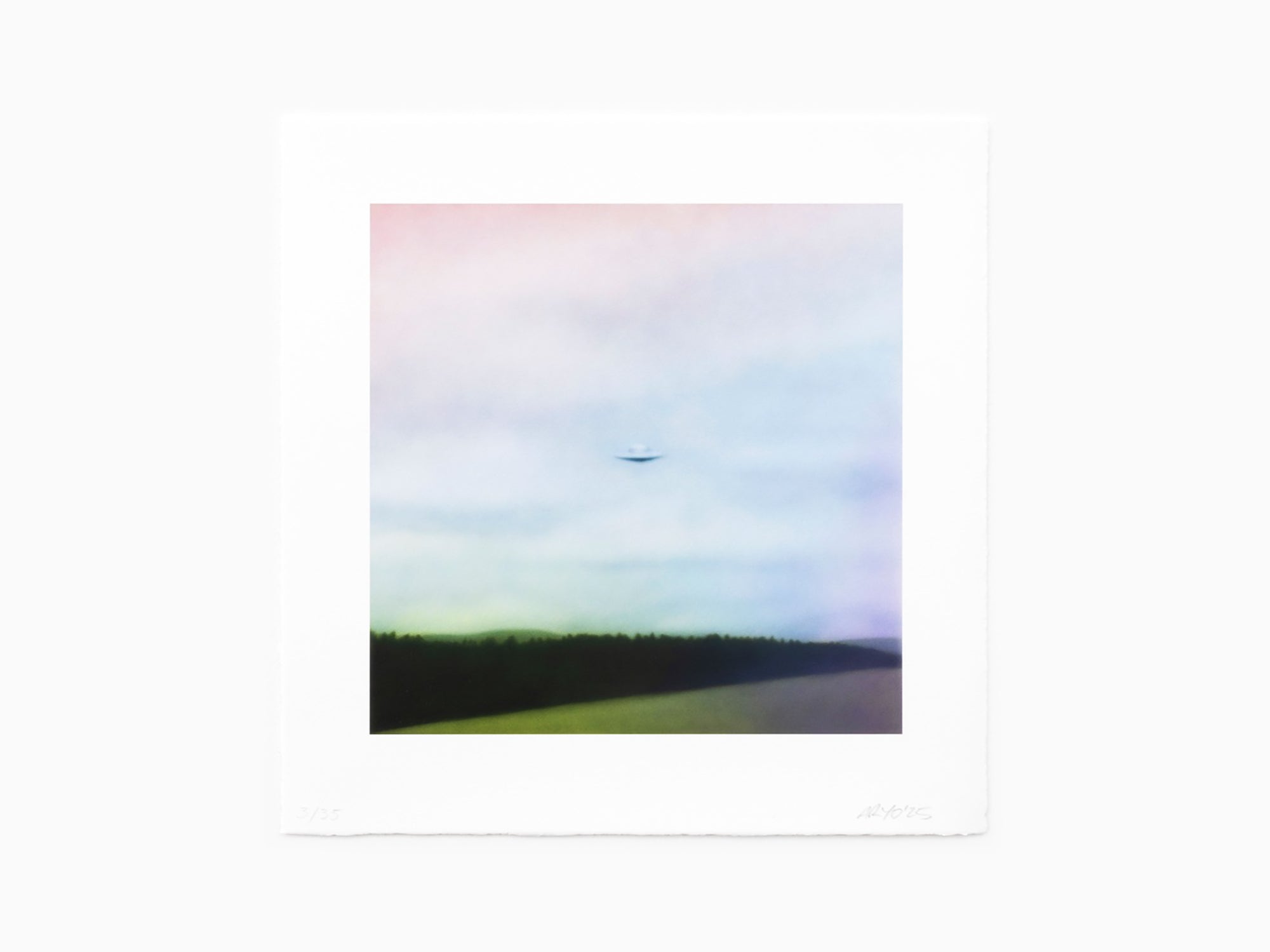
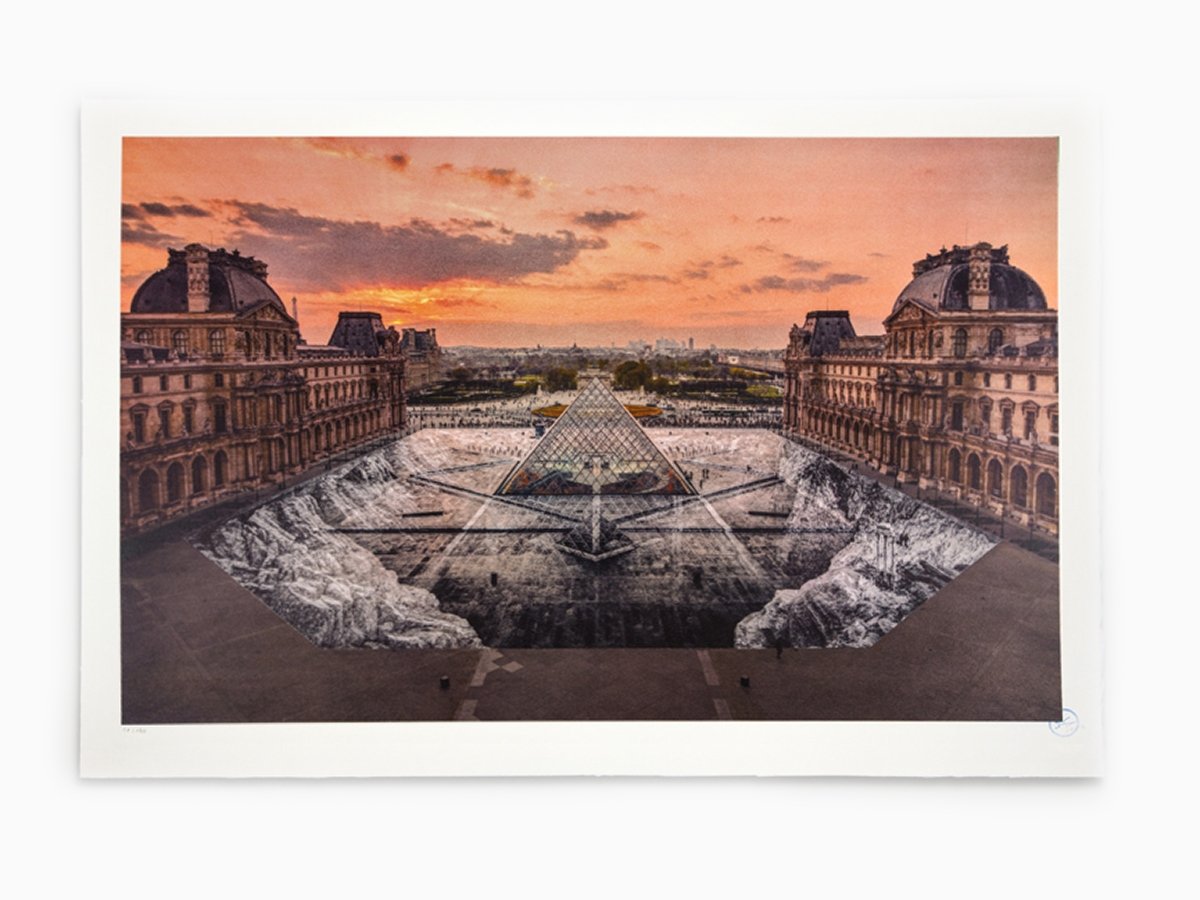
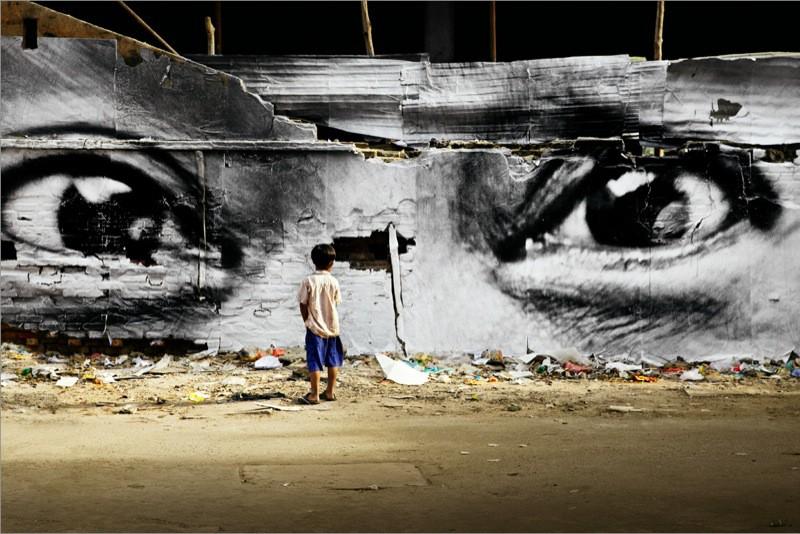
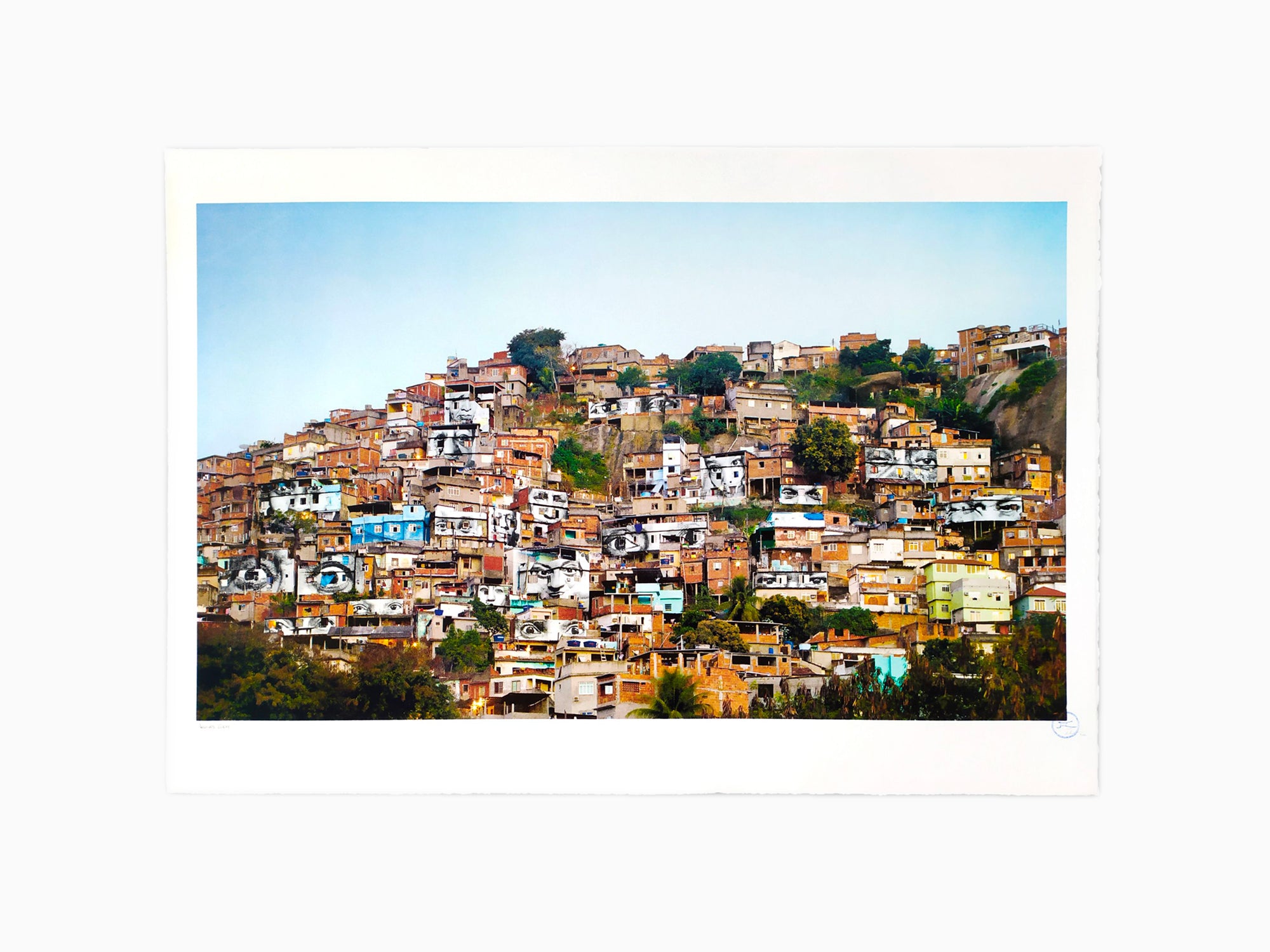
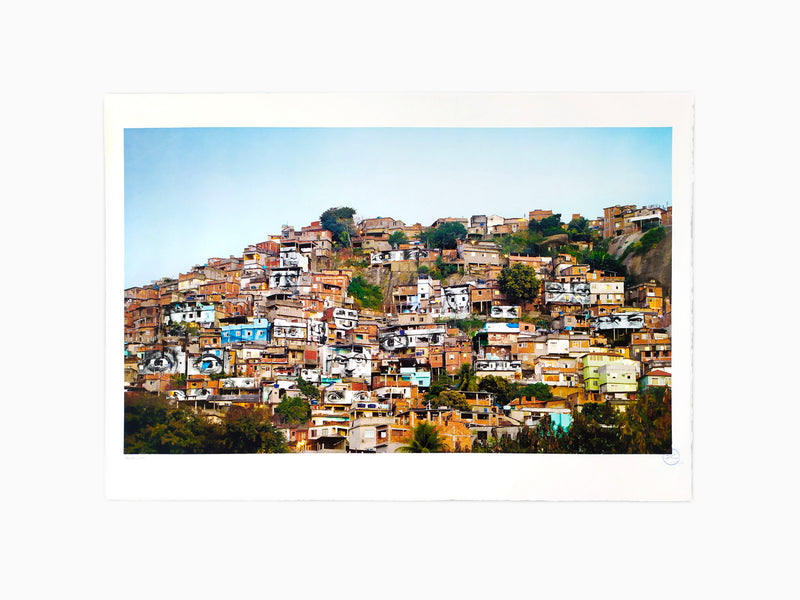
Picture of an Artist Proof (AP) de l'artiste contemporain JR.

What is an Artist Proof?

What’s an artist proof?

A simple definition

An artist proof (AP) is a print (etching, lithograph, screen print, digital print, etc.) produced in addition to the regular numbered edition. It belongs to the same limited edition, is created using the same printing process, on the same paper or support, and meets exactly the same quality standards as the numbered prints.

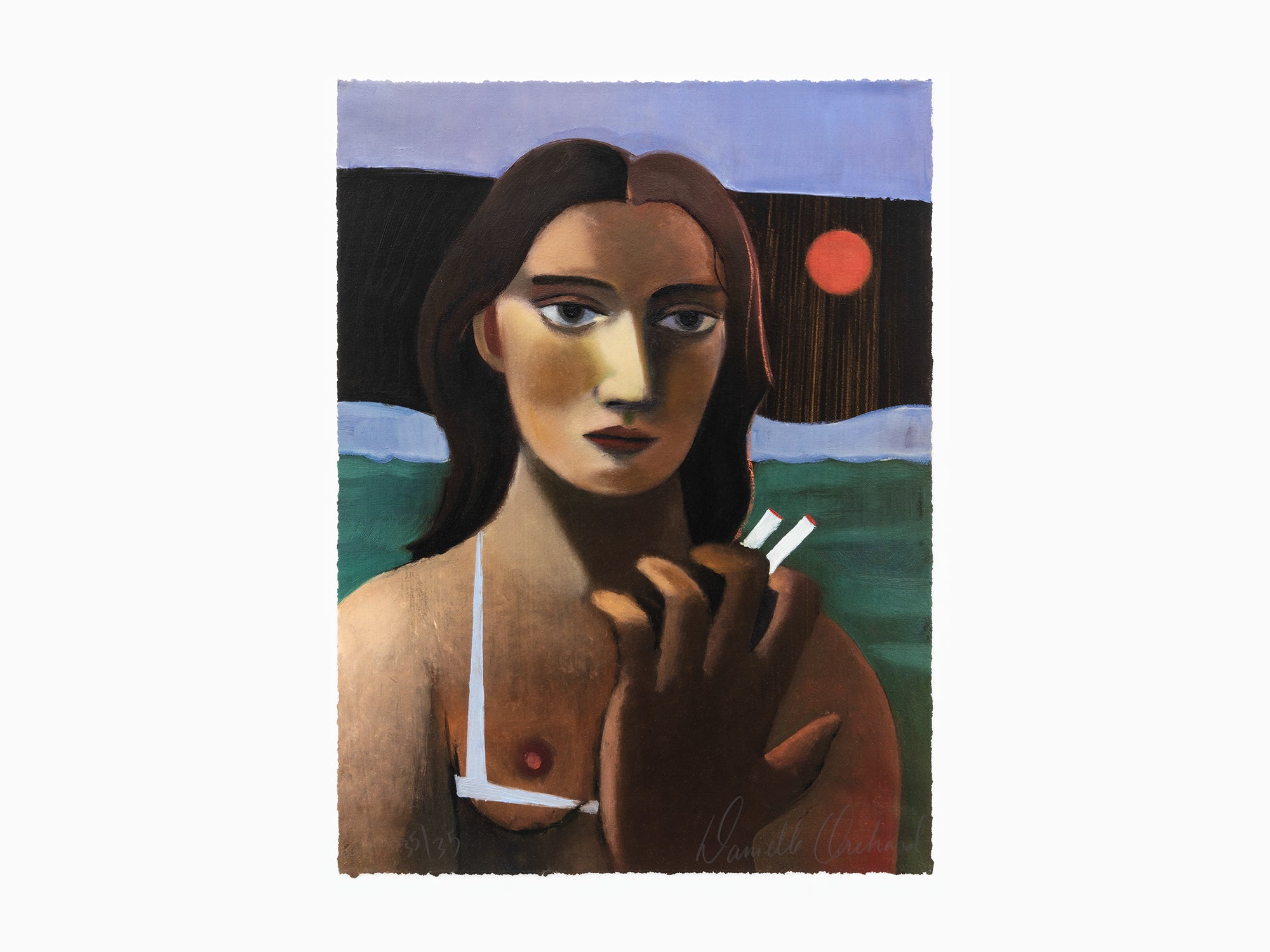
Traditionally, these prints are reserved for the artist's personal use. They usually bear the handwritten inscription "AP" (Artist Proof), sometimes accompanied by a separate numbering system, often in Roman numerals. Other than this marking, there is no technical difference between an artist proof and a print intended for sale.

The role of artist proofs

Historically, artist proofs were kept by the artist, given to family members, collaborators or galleries, or preserved as part of the creative archive. They were not originally intended for commercial sale, although they are now commonly available on the art market.

Because they have often circulated less than the standard edition, artist proofs are frequently very well preserved. For collectors, they also carry a more personal dimension, offering a closer connection to the artist's working practice and creative process.

What is the difference between an artist proof and a numbered limited edition?

What is a limited edition?

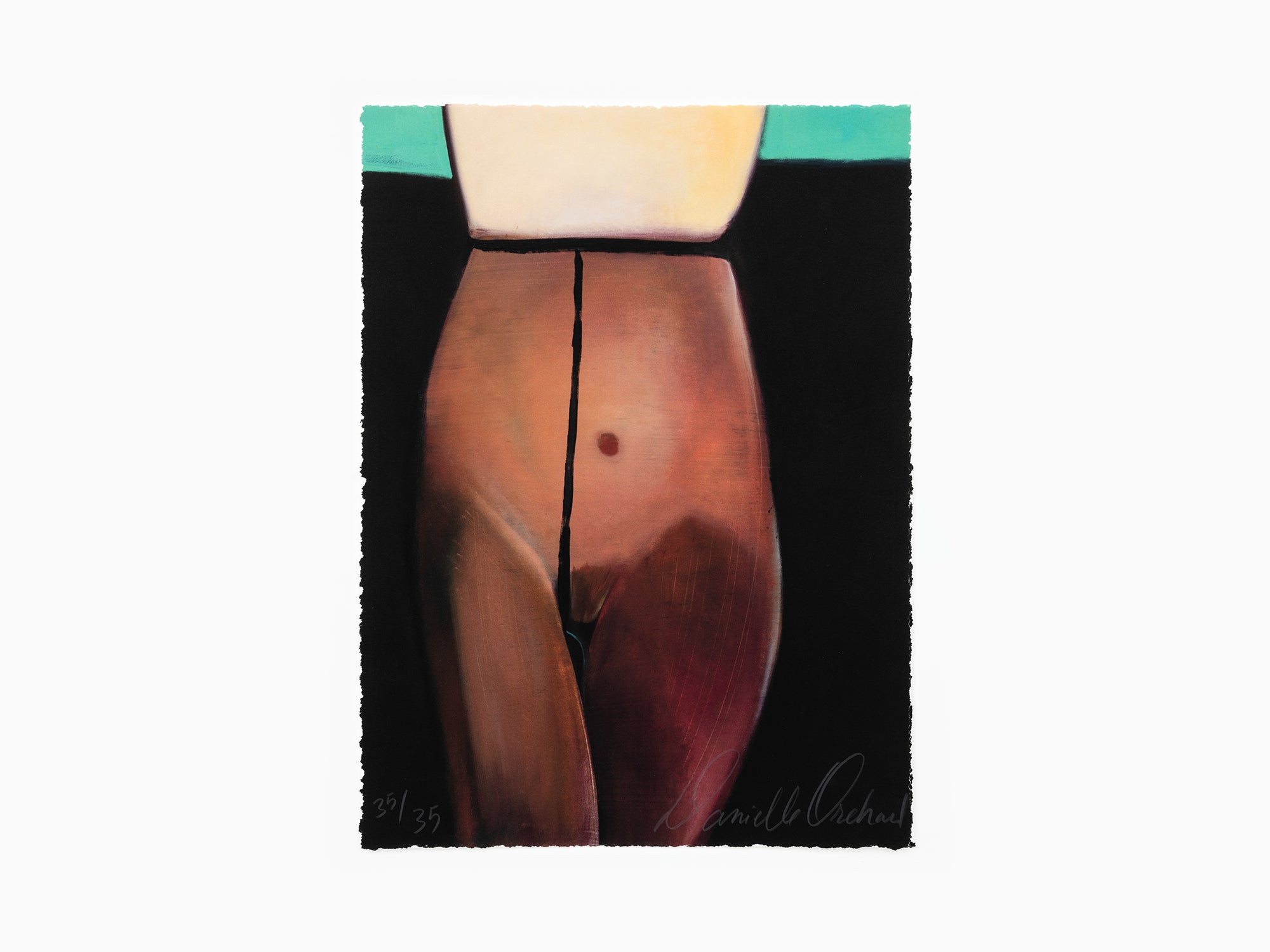
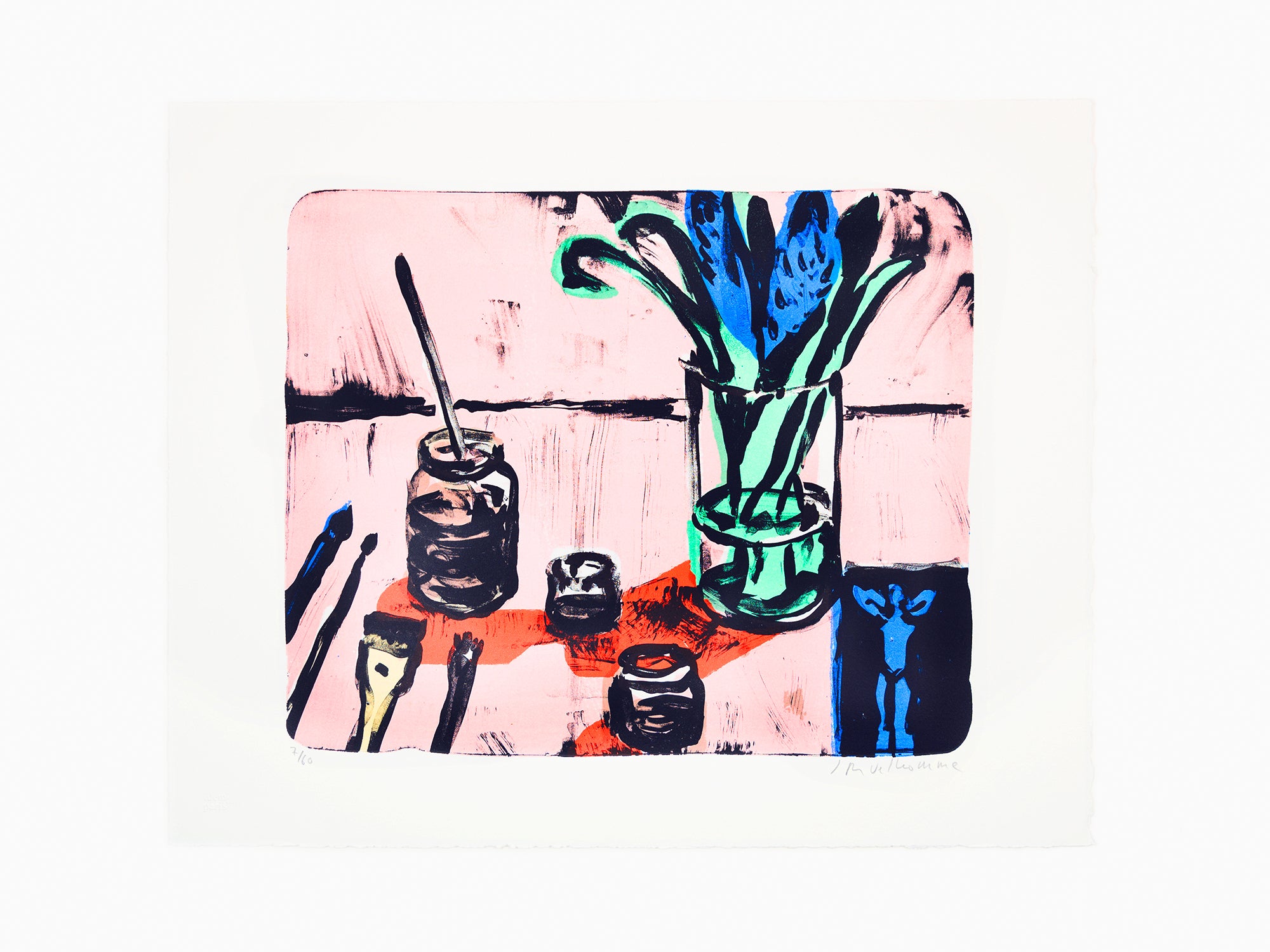
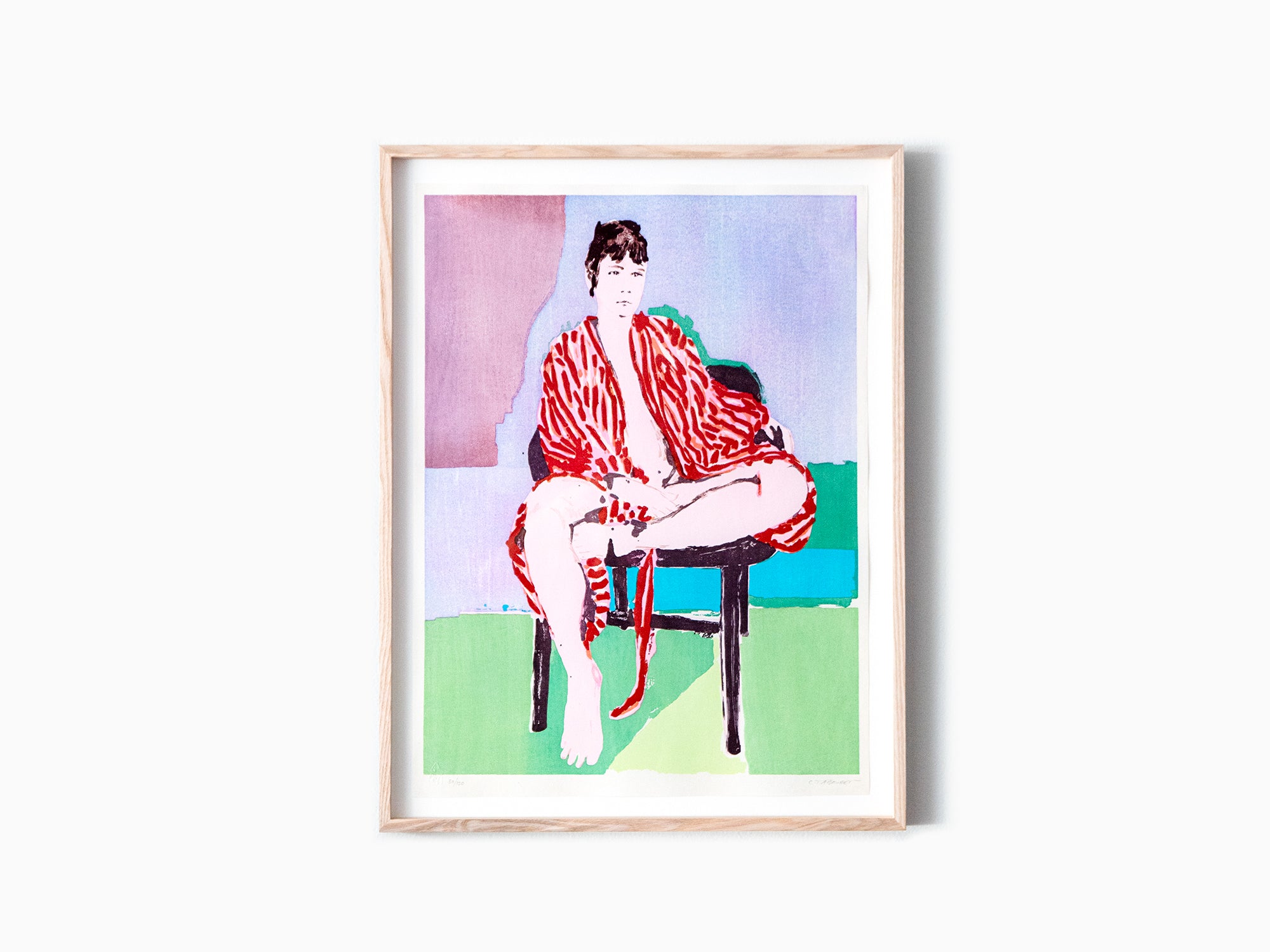
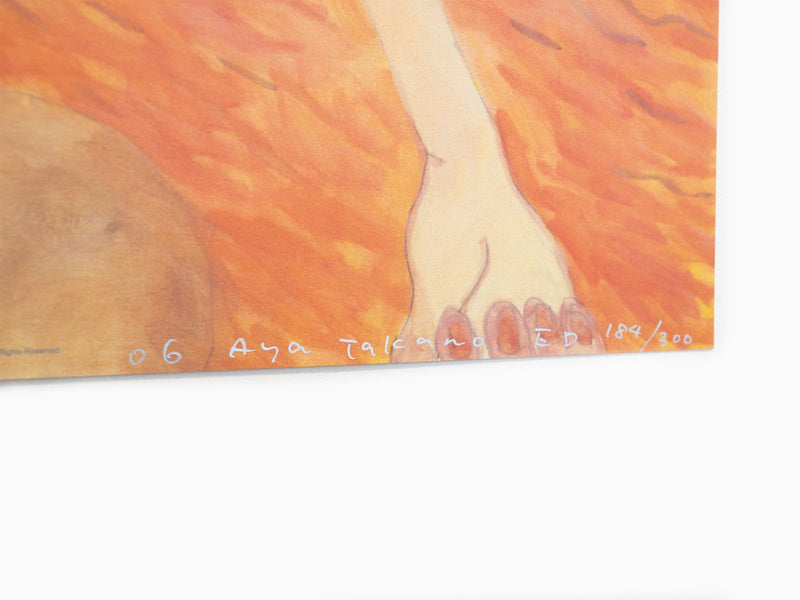
A limited edition is a group of prints produced in a fixed quantity using the same printmaking technique (etching, lithography, screen printing, digital printing, etc.). Each print is individually hand-numbered, usually in pencil, using a fraction such as 12/100, indicating both its number within the edition and the total number of prints produced.

This edition numbering is one of the main criteria used to assess the value of a print. The edition is signed by the artist, and the printing process is generally based on a BAT (Bon à Tirer), or "ready-to-print" proof, which serves as the reference print against which the entire edition is produced.

Where do artist proofs fit within an edition?

Artist proofs exist outside the commercial numbering. They are not included in the official edition size offered for sale and are generally reserved for the artist, the printer or key collaborators involved in the production of the work, alongside HC (Hors Commerce) prints.

In many editions, the number of artist proofs is deliberately limited, typically representing around 10 to 15% of the total edition.

Artist proof or numbered edition: which should you choose?

From an artistic perspective, an artist proof and a numbered print belong to the same original edition. The difference lies neither in the printing technique nor in the quality or originality of the work, but rather in their status, intended use and perceived rarity.

Whether you choose a lithograph, an etching or a screen print, both numbered editions and artist proofs are produced using the same process, signed by the artist and held to the same artistic standards.

Which printmaking techniques can include artist proofs?

Artist proofs are not limited to a single printmaking process. They can be found across most major fine art printing techniques.

These include:

  • Intaglio printmaking (etching, engraving, drypoint, aquatint, etc.). Ink sits within the engraved lines of a metal plate before being transferred to paper. Artist proofs are produced from the same plate as the numbered edition.
  • Relief printing (woodcut, linocut, etc.). Only the raised areas of the printing block receive ink. Artist proofs are commonly produced alongside the numbered edition.
  • Lithography. This planographic printing process relies on the natural repulsion between grease and water on a limestone surface. Many limited edition lithographs include artist proofs.
  • Screen printing (serigraphy). Widely used in contemporary art, this technique uses stencils applied to a mesh screen. Limited edition screen prints frequently include a small number of artist proofs reserved for the artist.

To learn more about these techniques, read our guide: Screen printing or lithography: find your way around different art printing techniques.

What is an artist proof worth?

The value of an artist proof depends on the same criteria as any original print:

  • The size of the edition
  • The quality of the printing
  • The condition of the artwork
  • The artist's signature
  • The numbering
  • The artist's reputation (gallery representation, art fairs, auction results)

In most cases, an artist proof is valued similarly to a numbered print. It is neither more original nor technically different: every print is produced from the same matrix using the same approved printing process.

For new collectors, a signed, numbered, well-documented limited edition often offers the best balance between value and price, particularly when purchasing works by emerging or mid-career artists.

How to buy fine art prints

When purchasing a print, it is best to buy through trusted sources such as specialist galleries, art dealers, auction houses, dedicated online platforms or the online stores of galleries representing the artists directly. These channels help ensure authenticity, provenance and secure transactions.

Before buying, check that the print includes:

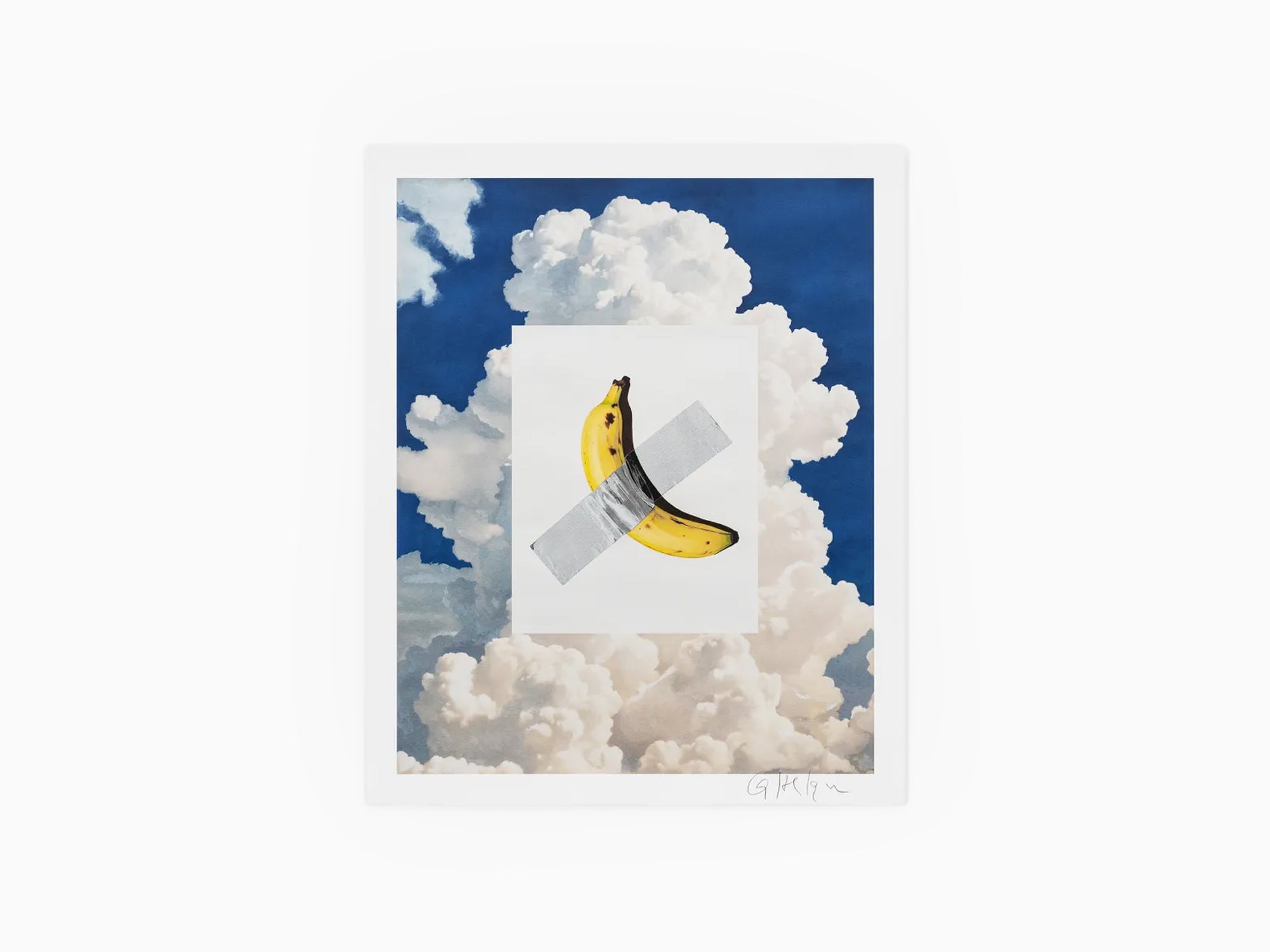
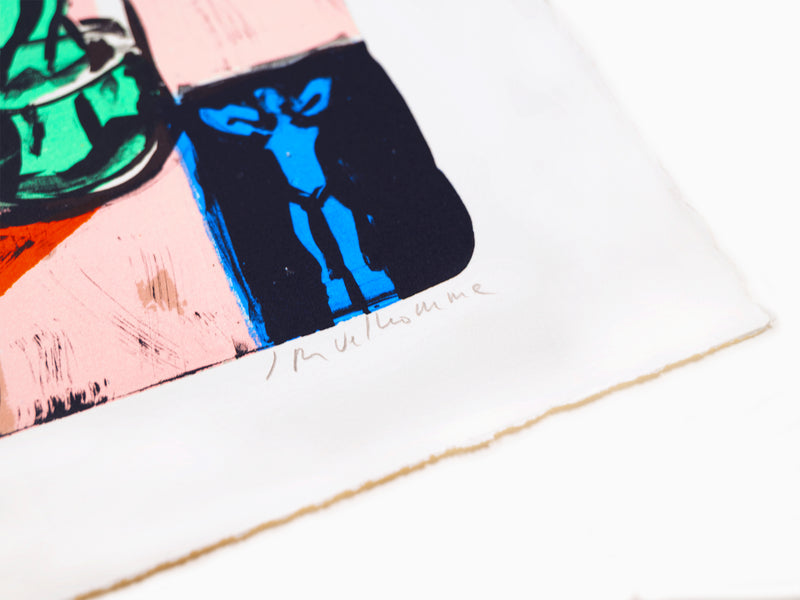
  • A handwritten edition number (such as 12/100), the indication that it belongs to a limited edition, and the artist's signature. Artist proofs should be marked AP (Artist Proof). In some cases, you may also encounter SP (Studio Proof), referring to prints reserved for the artist's studio.
  • The overall condition of the print, ideally assessed through detailed, high-resolution photographs when purchasing online.

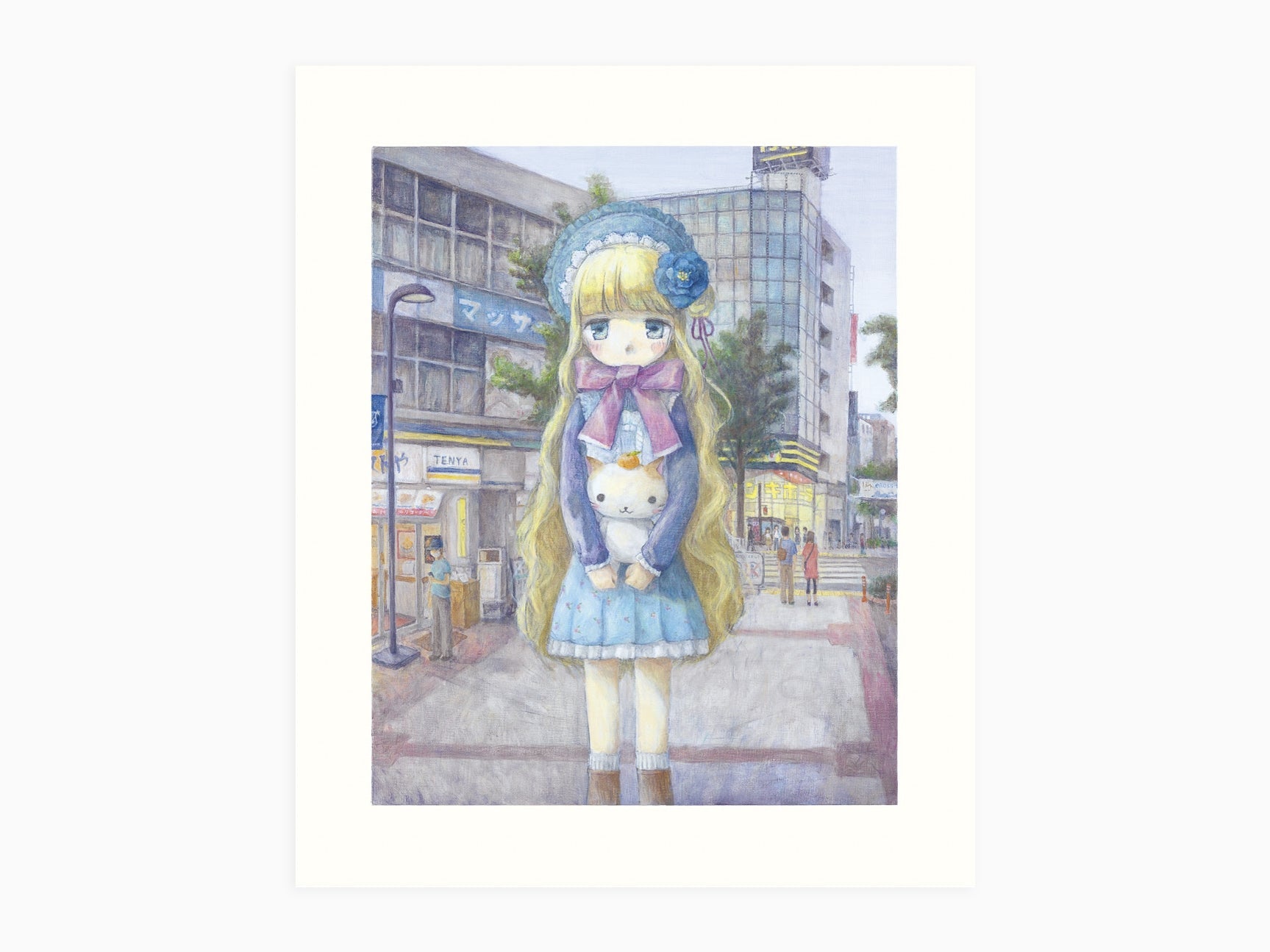
All the prints available on the Perrotin Store meet these standards. Our editions are signed, numbered, produced in limited quantities and clearly documented, allowing collectors to purchase with complete confidence.

Looking for an original print by a contemporary artist? Explore the curated selection of artist prints available on the Perrotin Store.