At first glance, a work by Hans Hartung is instantly recognisable. His visual language is built around a handful of recurring elements that he continually reinvented throughout his career.
A distinctive graphic vocabulary
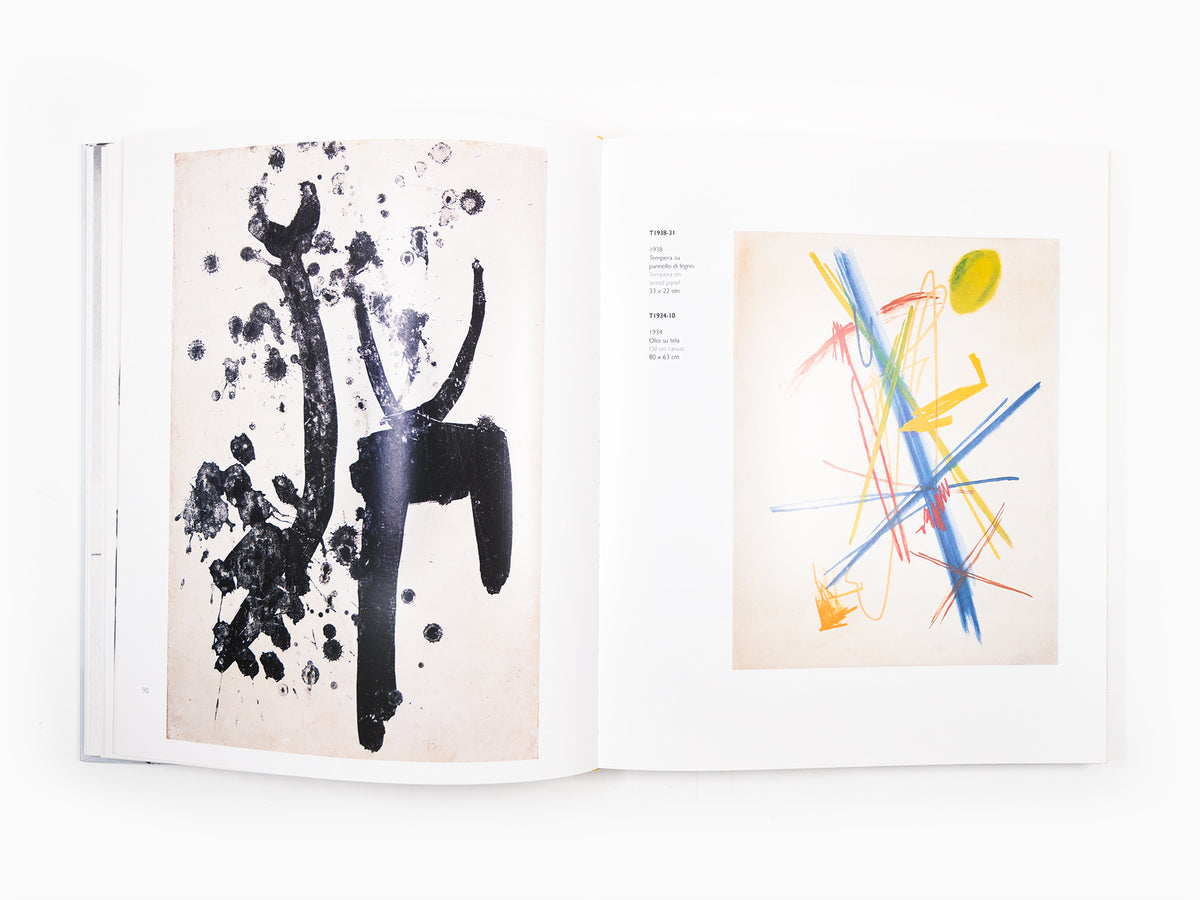
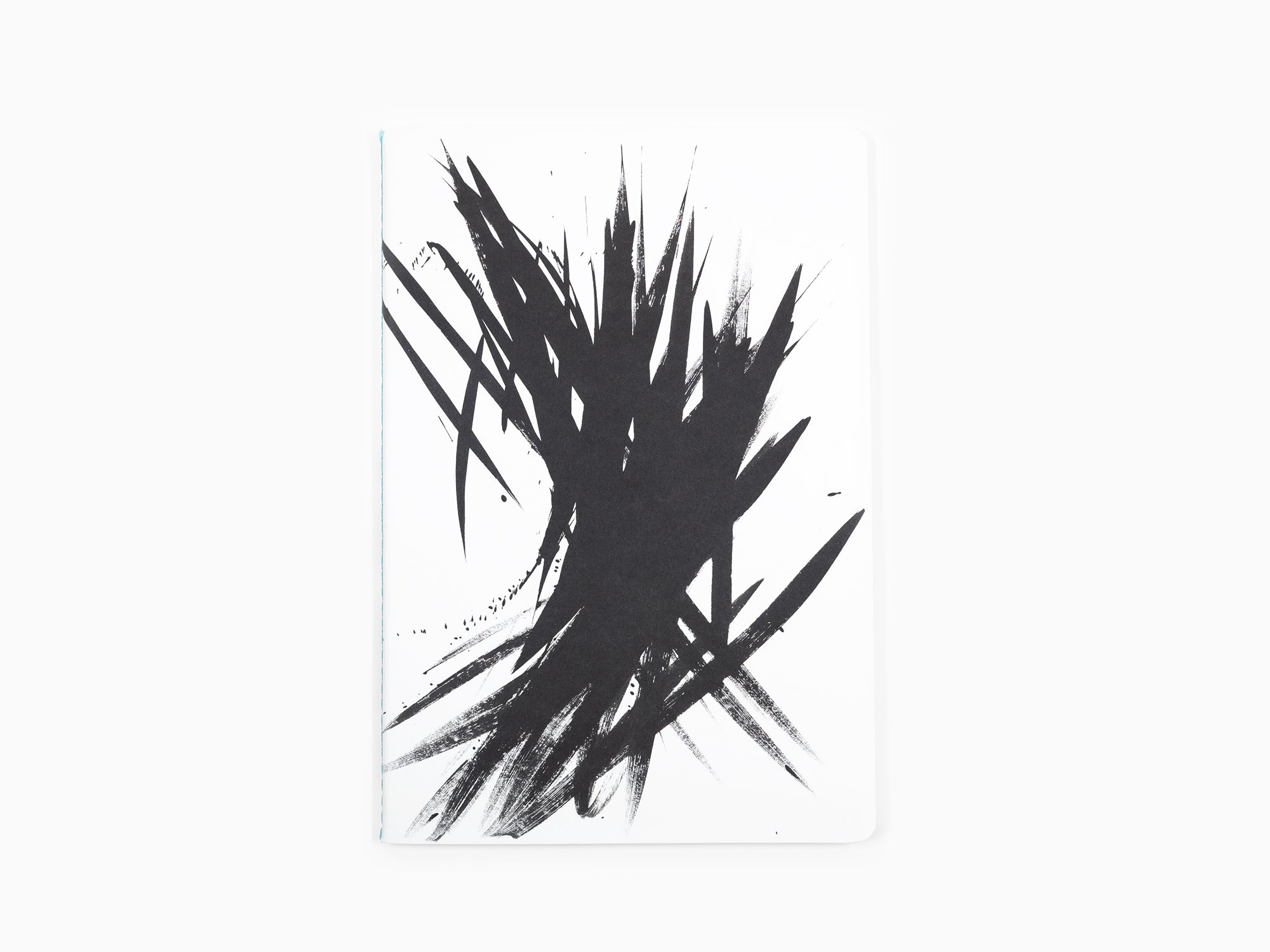
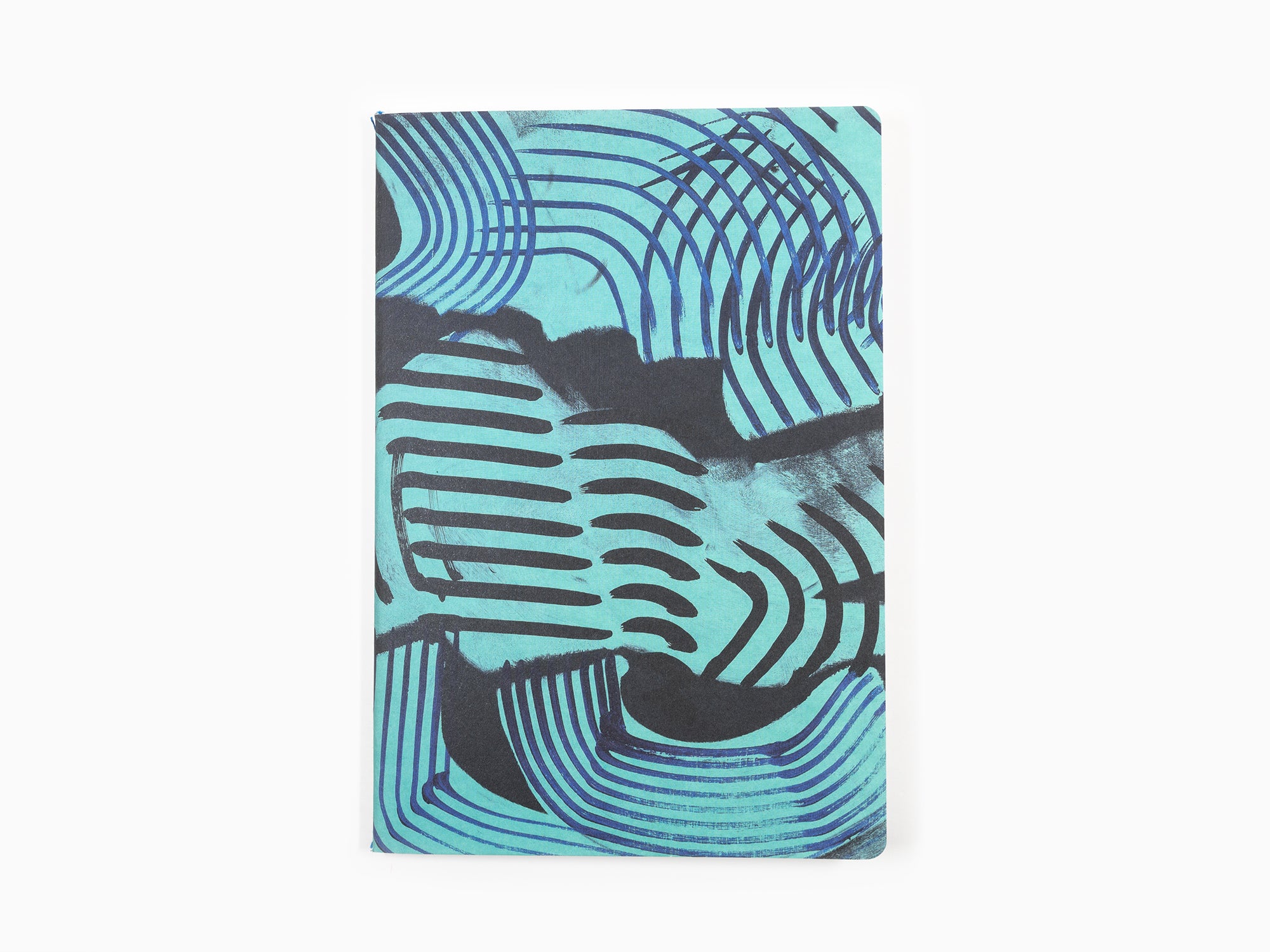
Nervous lines, clusters of strokes, scratches and calligraphic signs form the core of Hartung's visual universe. Rather than depicting recognisable subjects, these marks evoke energy, tension and movement.
This singular visual language has become one of the defining signatures of Hans Hartung's style.
A painting rooted in movement
Nothing in Hartung's compositions feels static. Lines sweep across the canvas, intersect and collide, creating a powerful sense of rhythm and momentum.
This emphasis on gesture places his work firmly within the tradition of lyrical abstraction, while giving it a unique identity shaped not by chance, but by the precision and intention behind every movement.
A subtle relationship with colour
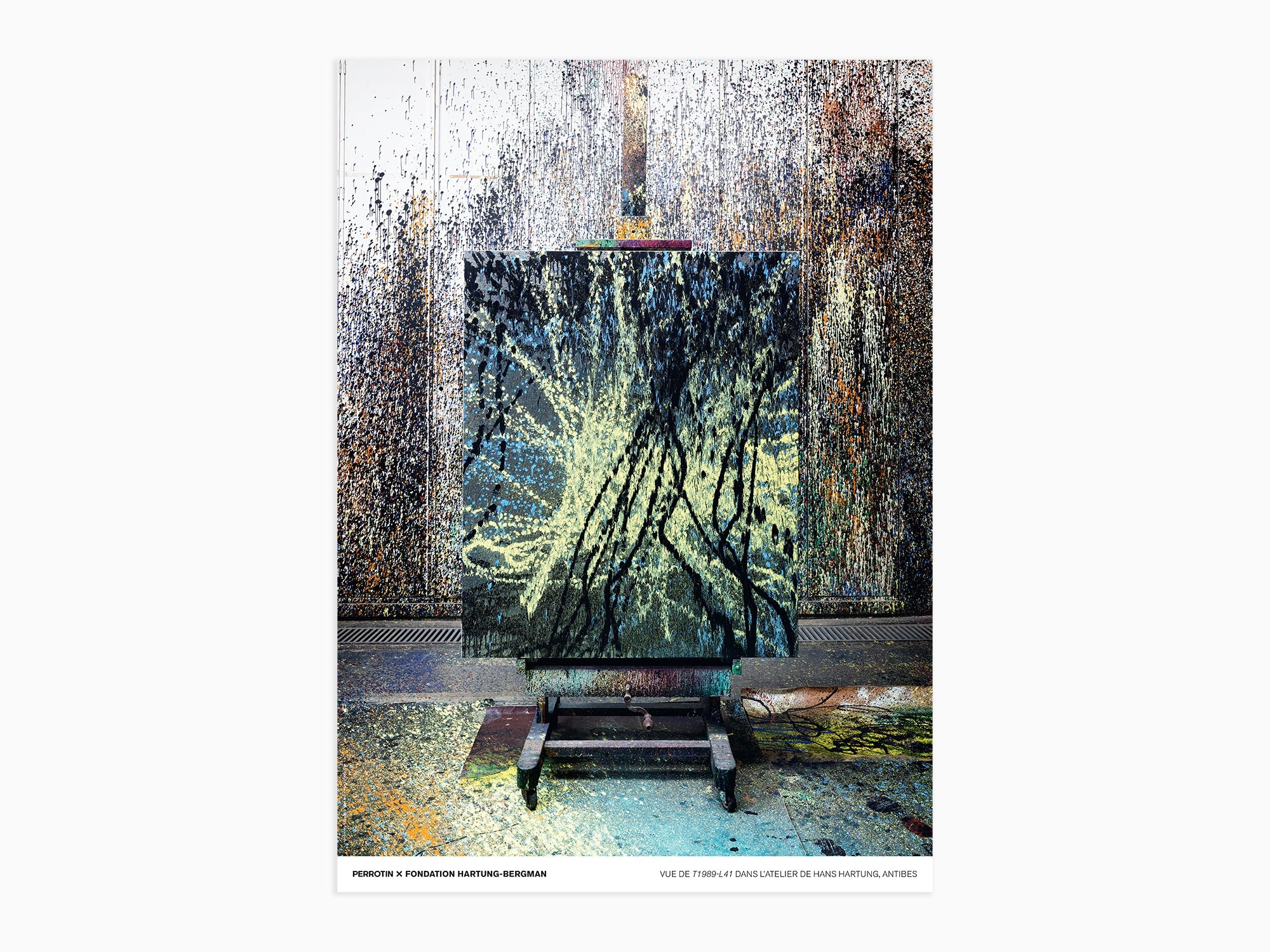
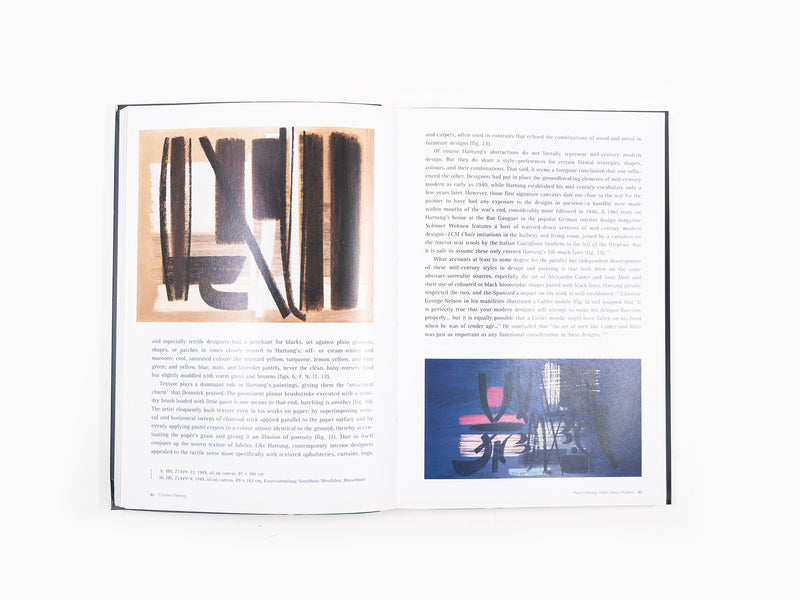
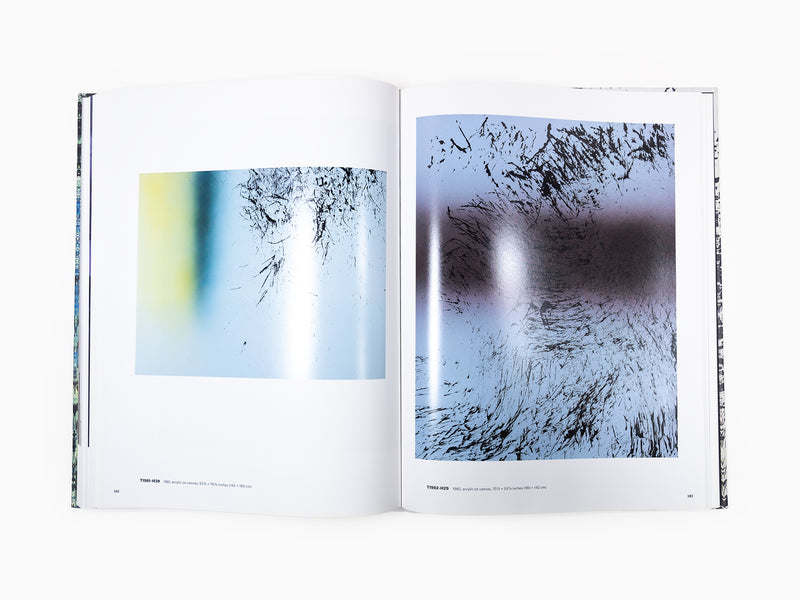
While line occupies a central place in Hartung's work, colour is equally essential. Deep black backgrounds, luminous blues, bold contrasts and expansive fields of colour create atmospheric spaces that heighten the emotional intensity of each composition.
Through this interplay of colour, gesture and movement, Hans Hartung developed a form of painting in which visual expression becomes a direct vehicle for emotion.
What are the main themes in Hans Hartung's work?
Beneath the apparent abstraction of his compositions lie a number of recurring concerns that run throughout Hartung's career. More than a painter of signs and symbols, he explored the invisible forces that shape the way we experience the world.
Movement and energy
Movement is one of the defining threads of Hartung's work. His rapid strokes and taut lines evoke energy in constant transformation, as though each canvas preserves the trace of a gesture still unfolding.
Nature and invisible phenomena
From childhood, Hartung was fascinated by lightning, wind, light and the rhythms of the natural world. Rather than depicting these phenomena directly, he sought to express their presence through abstraction and his distinctive language of signs.
The expression of an inner experience
Hartung's paintings do not tell a specific story. Instead, they invite each viewer to form their own interpretation. Suspended between tension and balance, spontaneity and control, every work opens a space for dialogue between perception, emotion and memory.
Through these recurring themes, Hans Hartung demonstrates that abstract art is fully capable of expressing deeply human realities without relying on figurative representation.
How did Hans Hartung influence the history of art?
Few artists have done as much to reshape the language of abstract painting in the twentieth century. Through his unique approach to gesture and his relentless spirit of experimentation, Hans Hartung opened up new possibilities for generations of artists.
A leading figure in European abstraction
In the post-war years, Hartung established himself as one of the foremost representatives of lyrical abstraction and Art Informel. His work helped define a new vision of painting in which emotion and movement took precedence over representation.
His international reputation was firmly established when he was awarded the Grand International Prize for Painting at the Venice Biennale in 1960.
A new way of thinking about gesture
Hartung's influence extends far beyond his distinctive aesthetic. By making artistic gesture itself the subject of exploration, he inspired countless contemporary artists to rethink the creative process.
His work demonstrated that a painting could derive its meaning as much from the act of making as from the finished image.
A lasting legacy
Today, Hartung's works are held in some of the world's leading museums and continue to inform discussions around modern and contemporary abstract art. They can be found in major collections including the Centre Pompidou, the Musée d'Art Moderne de Paris, Tate, and several prominent museums across the United States, including New York.
This enduring presence reflects not only Hans Hartung's importance in the history of art, but also the continuing relevance of his vision of creativity, experimentation and artistic freedom.
Where can you see Hans Hartung's work today?
Seeing a reproduction of a Hans Hartung work offers an introduction to his visual language. Experiencing one of his original paintings in person, however, reveals an entirely different dimension, allowing viewers to fully appreciate its scale, materiality and the expressive power of his gesture.
The Hartung-Bergman Foundation in Antibes
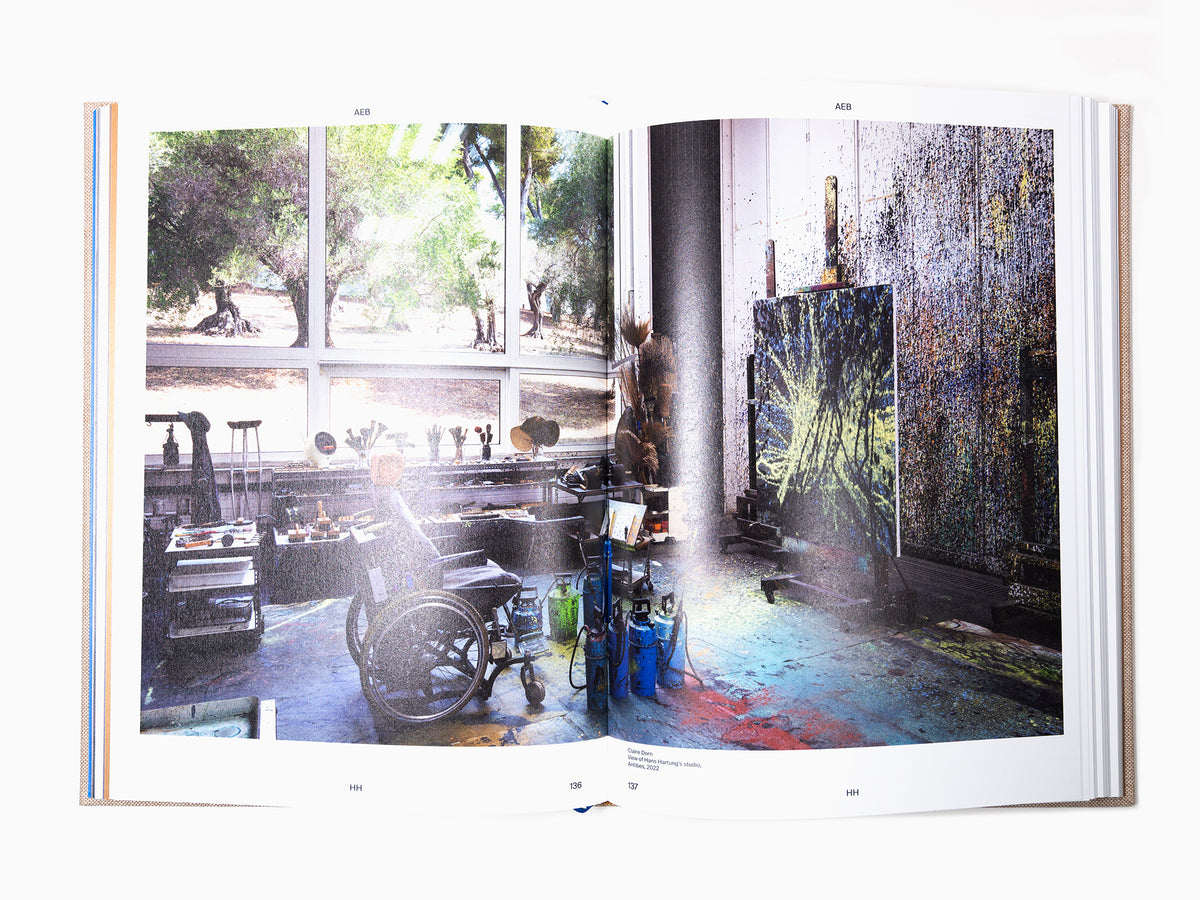
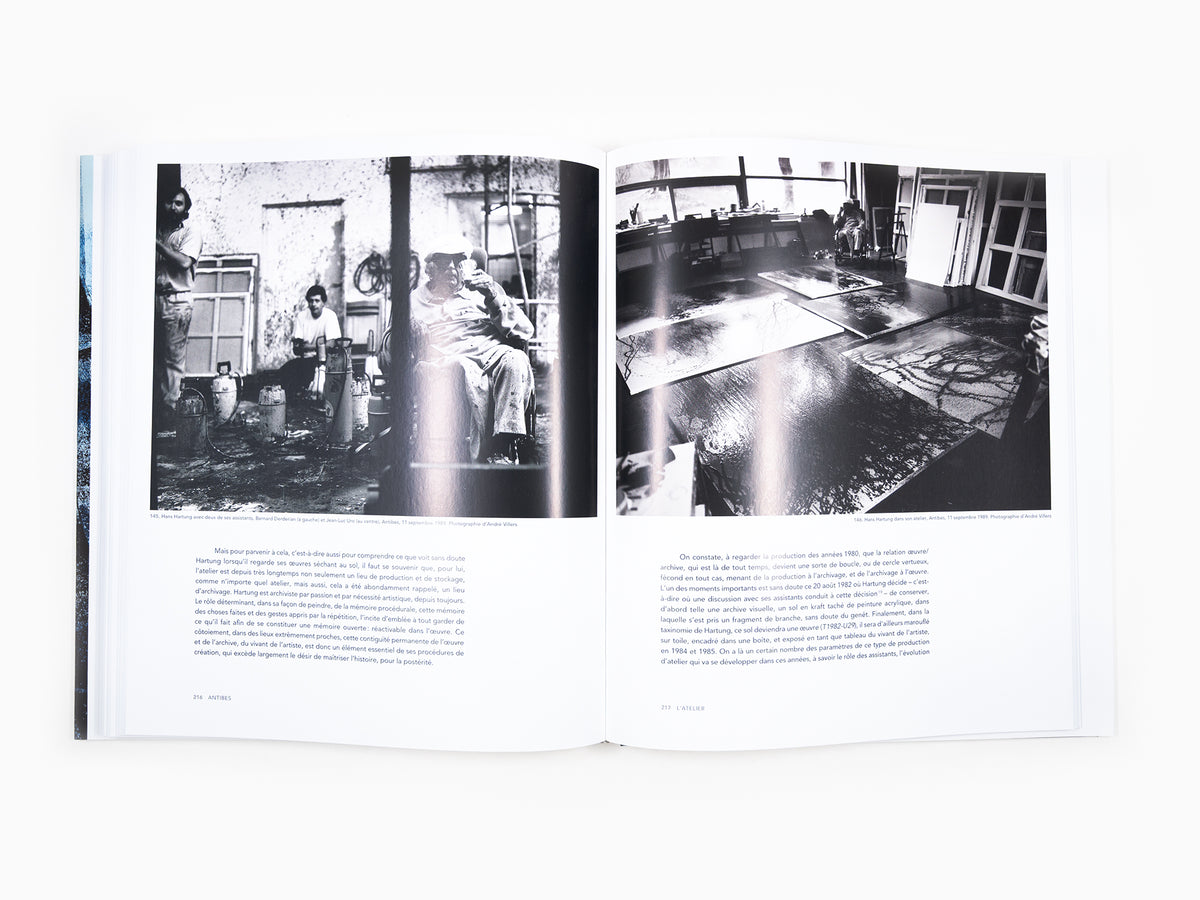
Located in the artist's former studio, the Hartung-Bergman Foundation in Antibes houses an exceptional collection of artworks, archives and the tools that accompanied Hartung throughout his career. Today, it remains one of the most important places to discover and better understand his artistic practice.
Museums and public collections
Hans Hartung's works can be found in many of the world's leading museums, including the Paris Musée d'Art Moderne, the Centre Pompidou, Tate, and numerous European and American institutions dedicated to modern art.
Together, these collections highlight the central role Hartung played in the development of twentieth-century abstract art.
Another way to explore his world
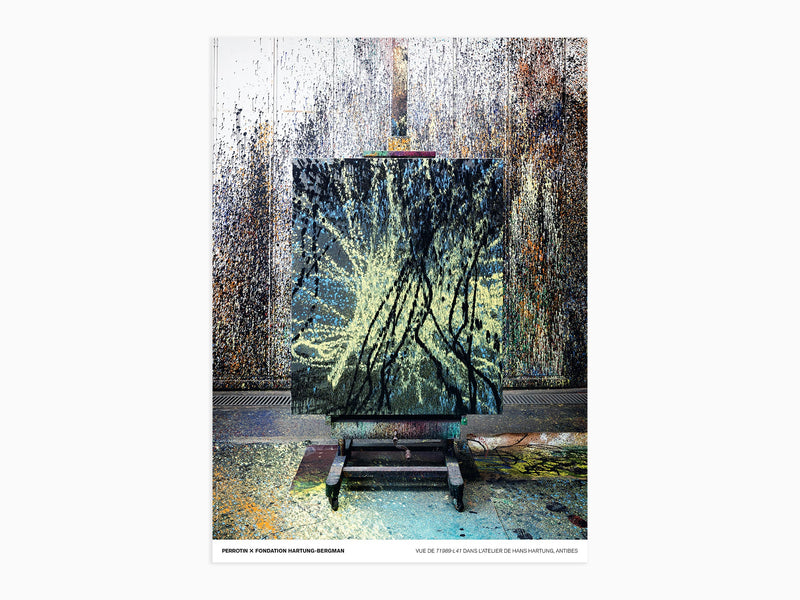
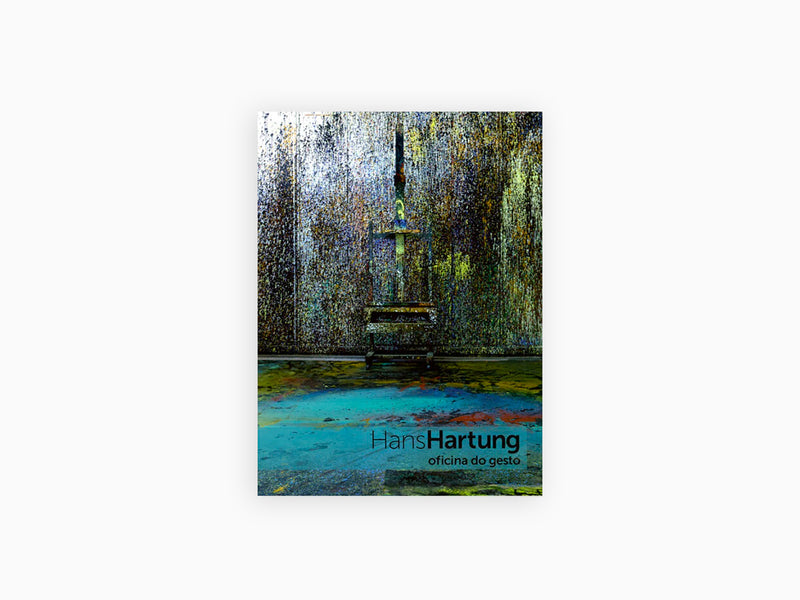
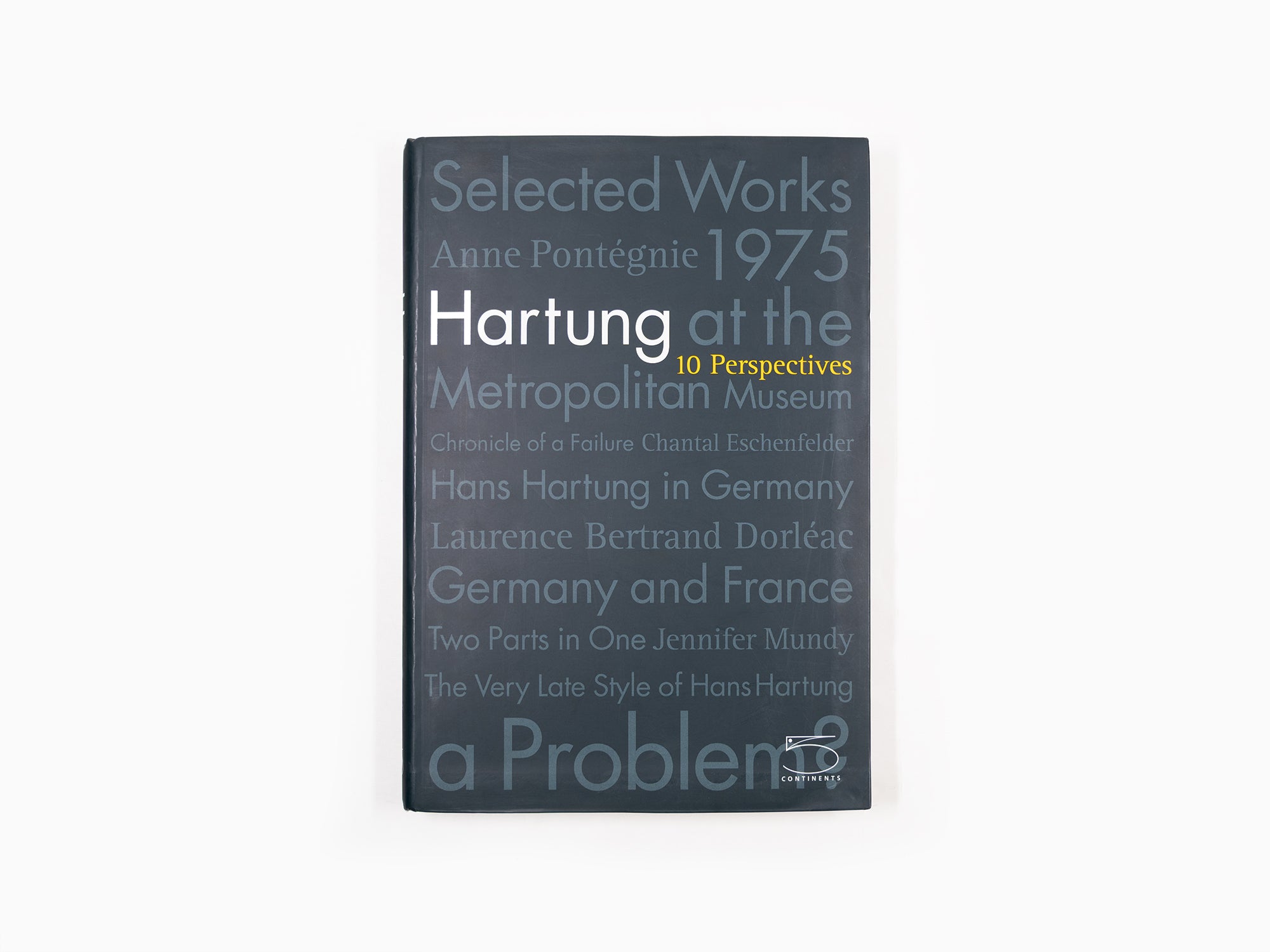
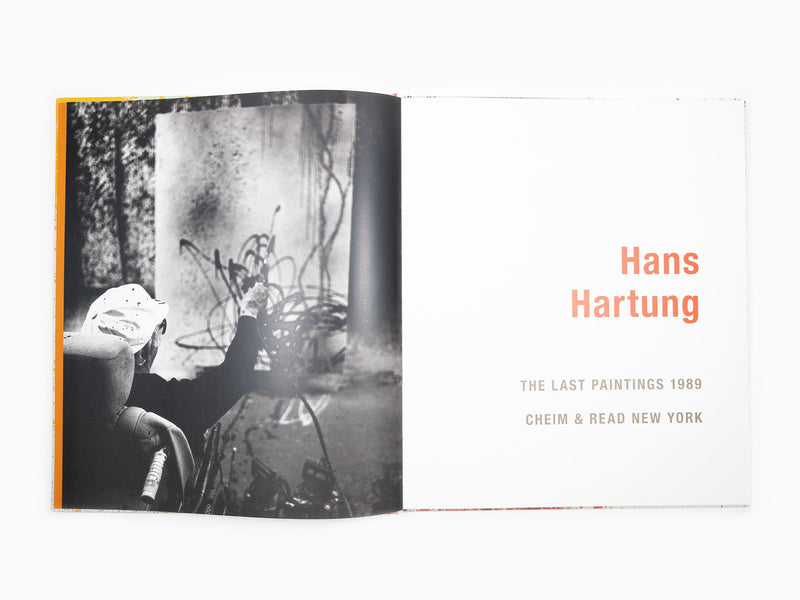
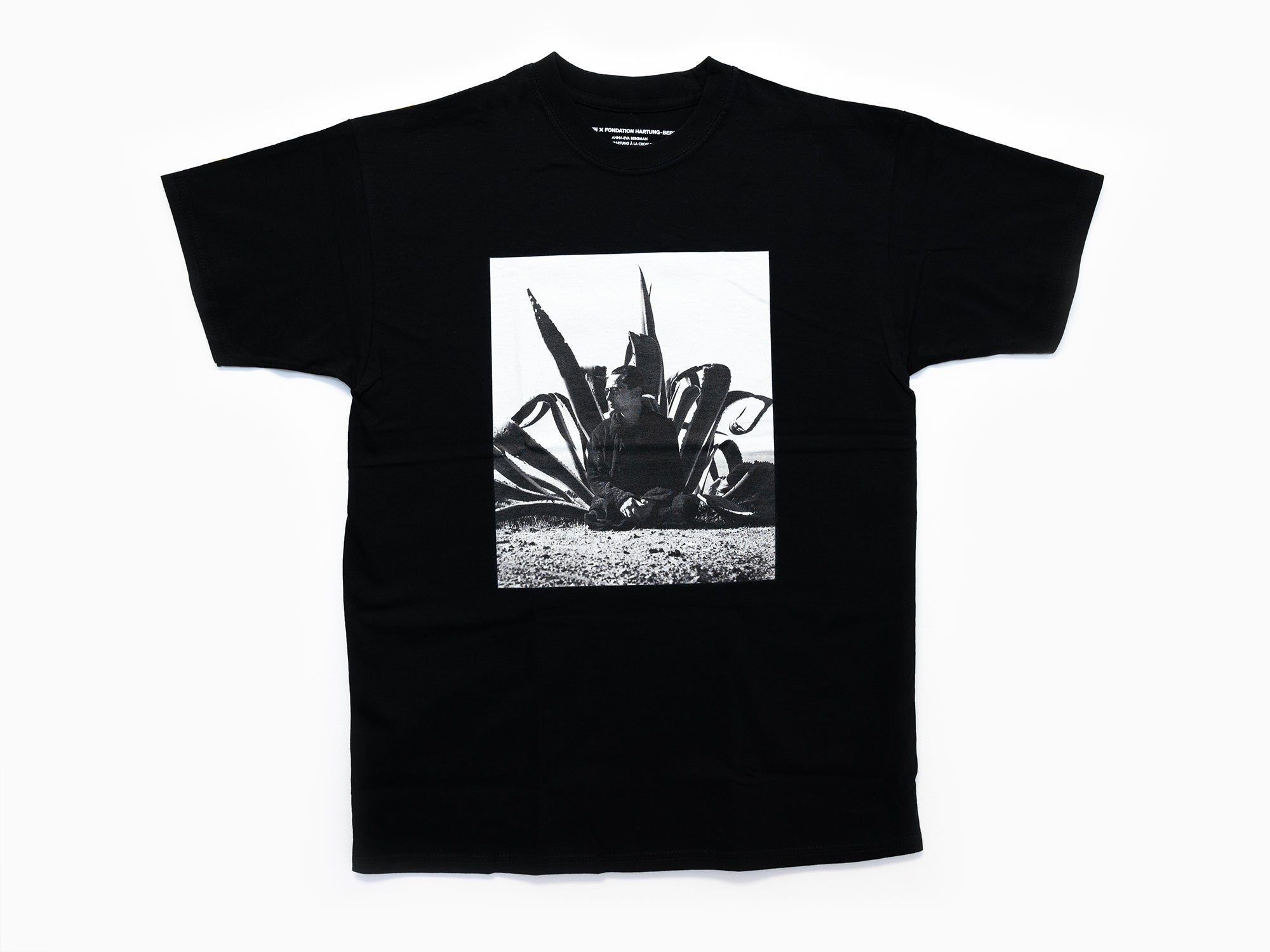
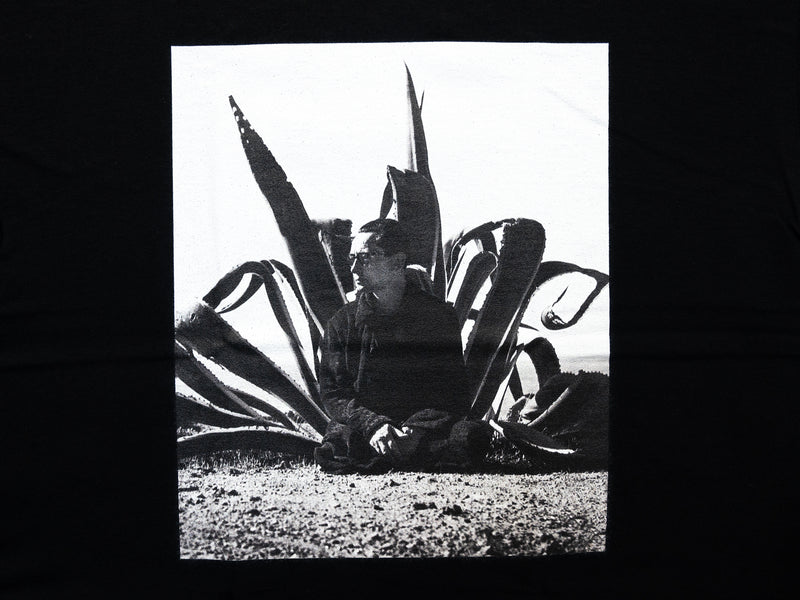
For those wishing to extend the experience, a wide range of exhibition posters, art editions, catalogues and reproductions inspired by Hartung's work are also available.
While these objects cannot replace the experience of seeing the originals, they offer a way to keep a connection with his distinctive visual universe and bring a fragment of Hans Hartung's artistic vision into everyday life.
Understanding Hans Hartung's technique means discovering far more than a painting method. It means following the journey of an artist who devoted his life to exploring the expressive possibilities of gesture, material and movement.
From his earliest drawings to the bold experiments carried out in his studio in Antibes, Hartung continually reinvented his visual language. His work continues to inspire new generations of artists and viewers alike, while holding a central place in the history of lyrical abstraction and modern art.































![Hans Hartung - L 1966-21, 1966 Edition [1969]](http://storeparis.perrotin.com/cdn/shop/products/hartung_L1966-21_5399c6eb-e8bb-4604-acc2-7a072bb0017d_1600x.jpg?v=1658222422)
![Hans Hartung - L 1966-21, 1966 Edition [1969]](http://storeparis.perrotin.com/cdn/shop/products/hartung_L1966-21_5399c6eb-e8bb-4604-acc2-7a072bb0017d_2000x.jpg?v=1658222422)
![Hans Hartung - L 1966-21, 1966 Edition [1969]](http://storeparis.perrotin.com/cdn/shop/products/hartung_L1966-21_5399c6eb-e8bb-4604-acc2-7a072bb0017d_800x.jpg?v=1658222422)