Lithograph or serigraph: differences, techniques and buying tips - Perrotin Store Paris

Screen printing or lithography: find your way around different art printing techniques

What is a serigraph?

Let’s start with a simple definition of a serigraph. It’s an artistic printing technique that uses a stencil and a stretched screen to transfer ink onto a surface.

Serigraphy originated from Chinese artisanal processes dating back to the 10th century. It was later popularized in the West during the 20th century, particularly in contemporary art and Pop Art. Even today, serigraphy remains widely used by contemporary artists for its crisp results and vibrant colors.

Famous examples include Andy Warhol’s serigraphs of Marilyn Monroe or Campbell’s Soup Cans, Roy Lichtenstein’s comic-inspired works, and the bold, socially engaged visuals of Keith Haring.

How does serigraphy work?

The technical process of serigraphy involves several steps:

  • A frame is covered with a stretched silk or polyester screen.
  • This frame is then coated with a photosensitive product and exposed to UV rays through a stencil.This exposure blocks certain parts of the canvas and allows ink to pass through only in the desired areas.
  • Ink is pushed through the mesh of the screen using a squeegee.

This process is then repeated for each color, resulting in the complete work being created in as many cycles as there are colors in it.

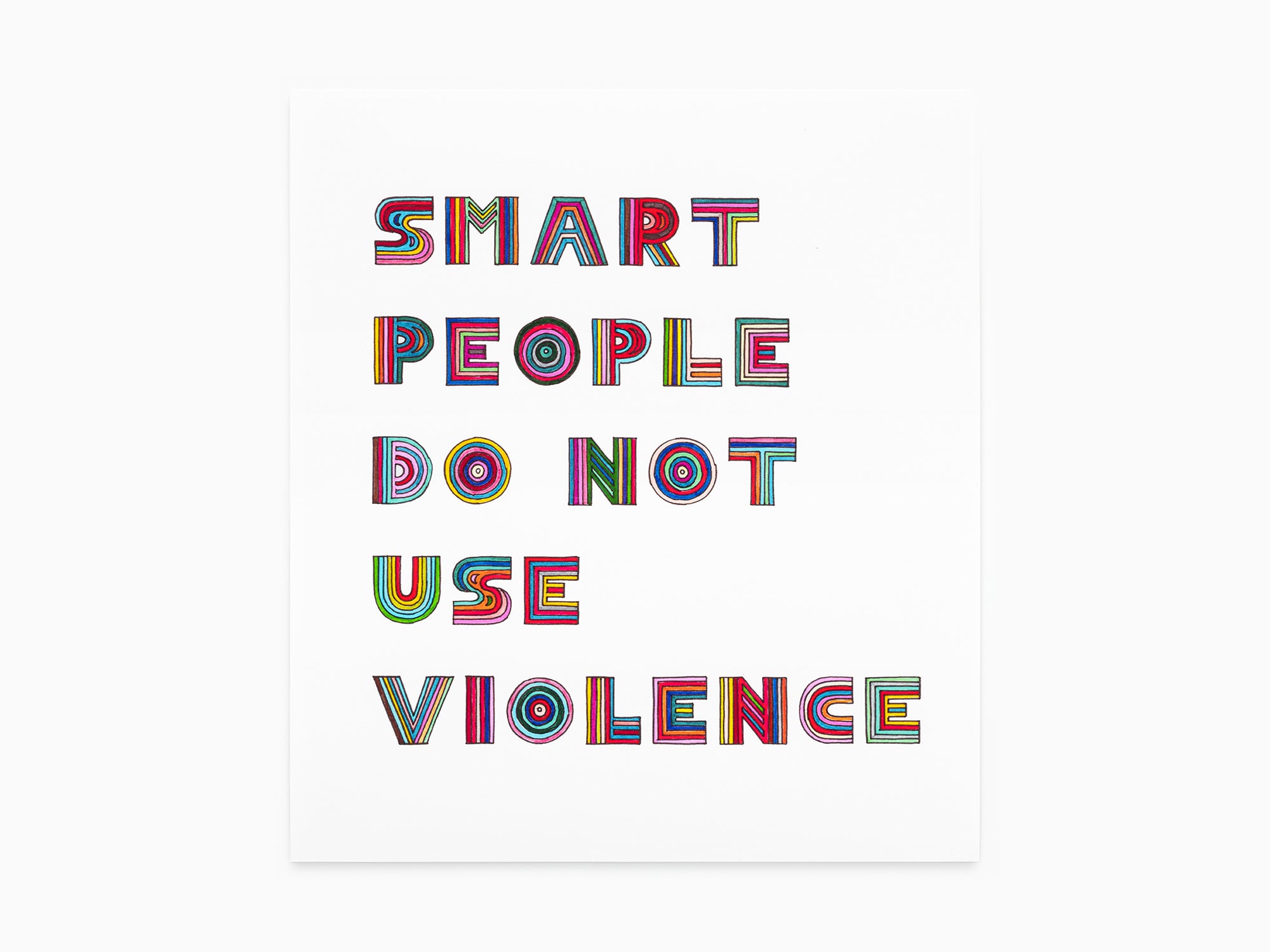
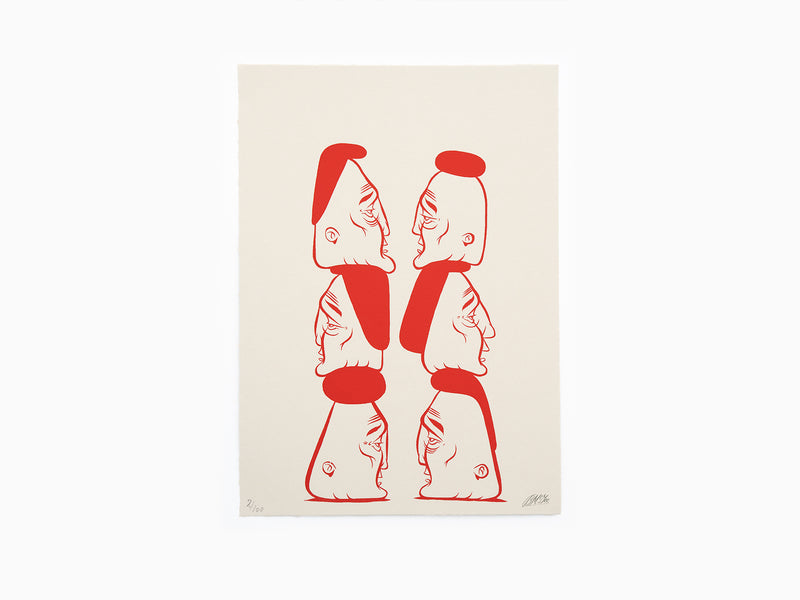
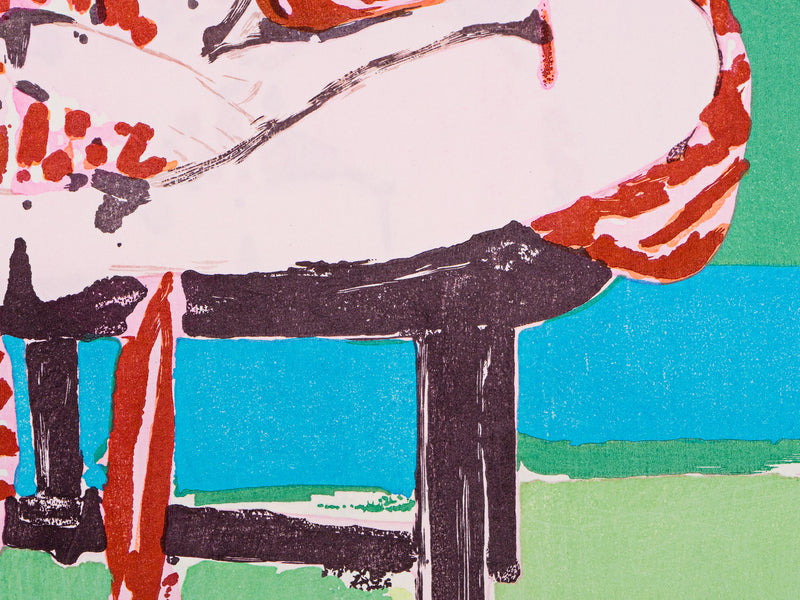
This graphic technique has distinctive aesthetic qualities. The colors of a serigraph are vivid and uniform, without gradients, creating a strong visual impact - perfect for modern compositions.

What materials are used in serigraphy?

Unlike a lithograph, which is almost always printed on paper, a serigraph is much more versatile.

It can be used to apply ink not only on paper but also on textiles (such as clothing or fabric posters), metal, glass, or plastic. This is why serigraphy is both an artistic and industrial technique, commonly used in fashion, advertising, and design.

The stencils used to reproduce the design can be handmade, created via photographic exposure, or made from film. The inks themselves are very special - often opaque, durable, and particularly vibrant. The frame can be made of wood or aluminum, depending on the artist’s choice.

What is the value of a serigraph?

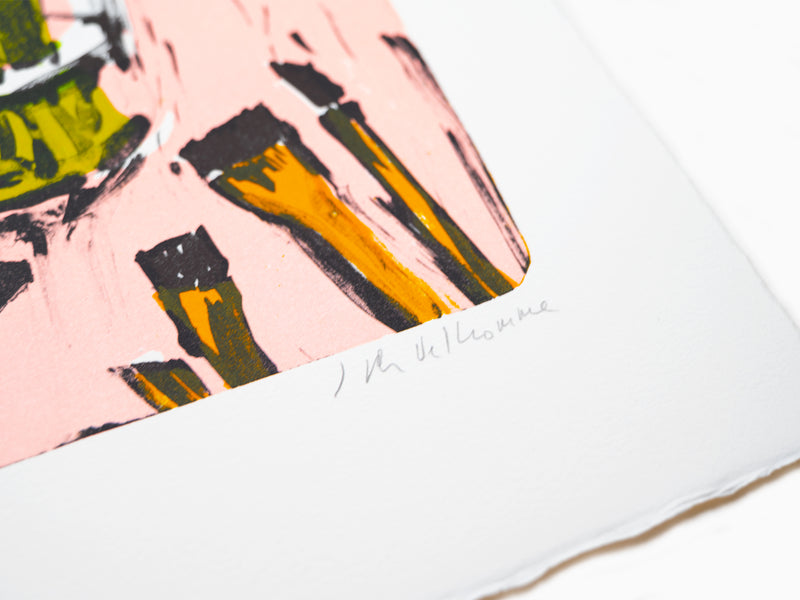
Serigraphs are often produced in limited editions, numbered and signed by the artist. This rarity guarantees their value for collectors.

However, the price of a serigraph on the art market can vary greatly depending on:

  • The artist’s reputation: the value of a flat print often depends on the market value of the artist’s original works.
  • The number of printsin the edition.
  • The quality and condition of the reproduction.

Serigraphs are often more financially accessible than a painting or an original artwork, making them attractive to start a collection.

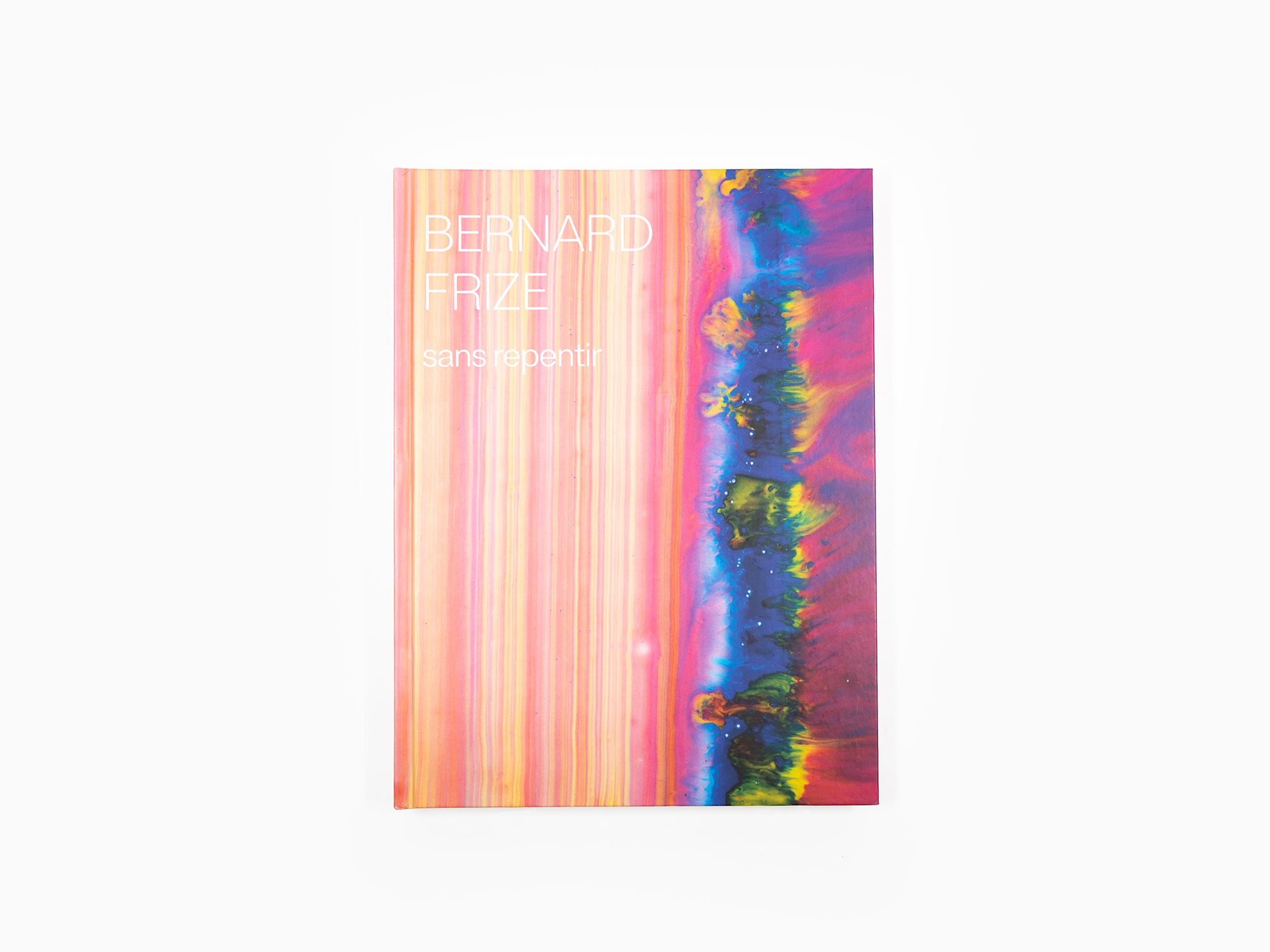
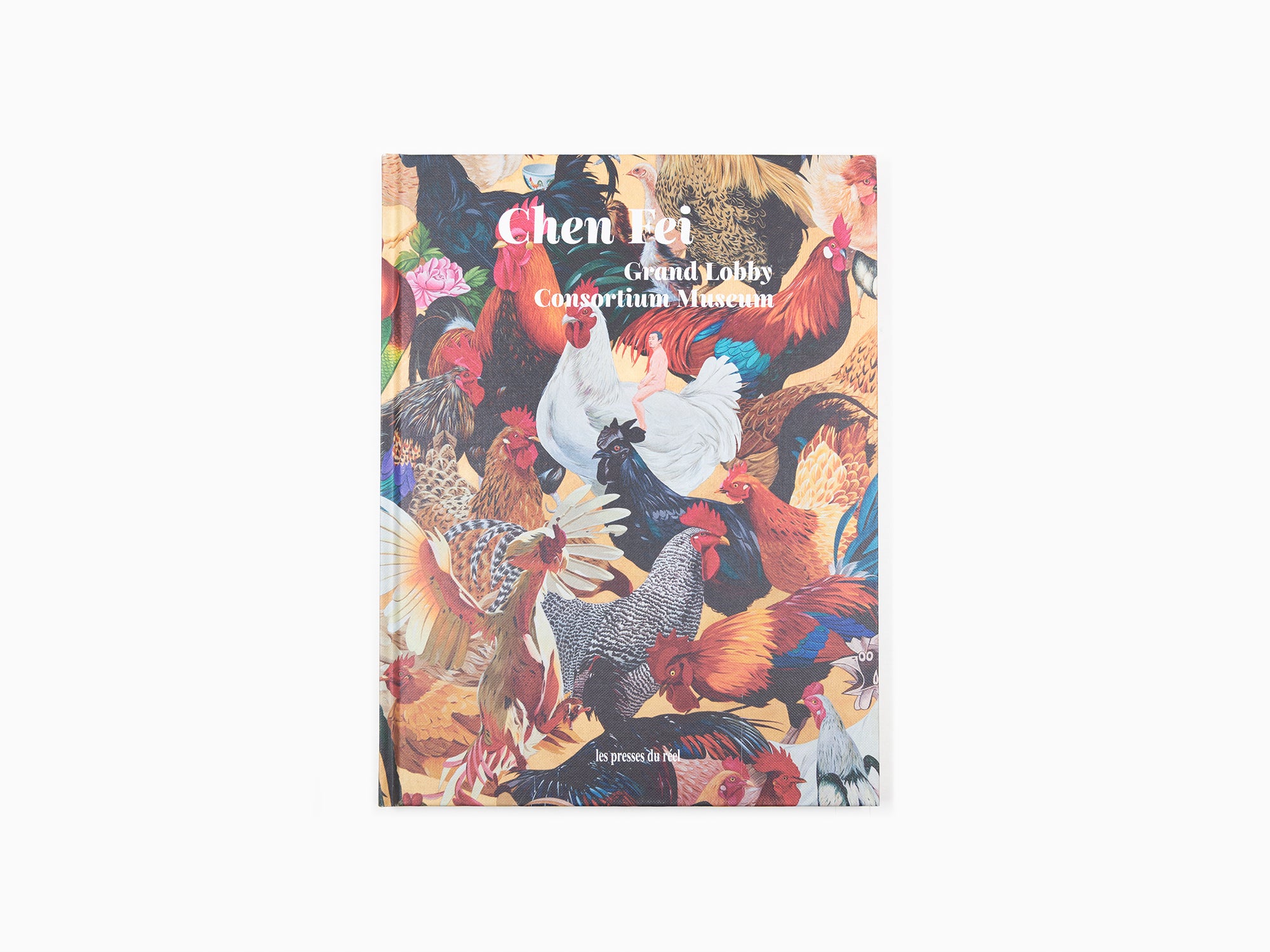
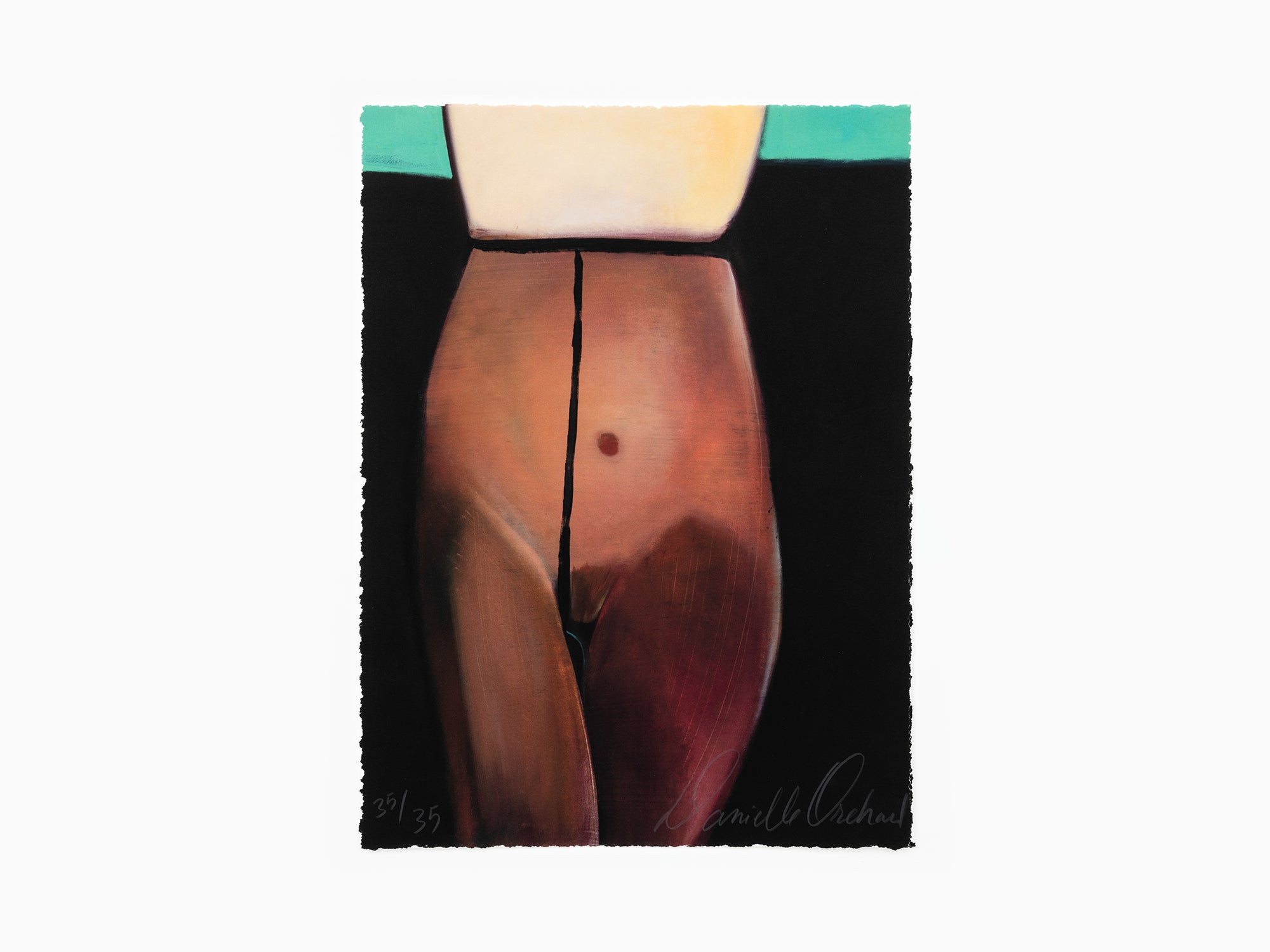
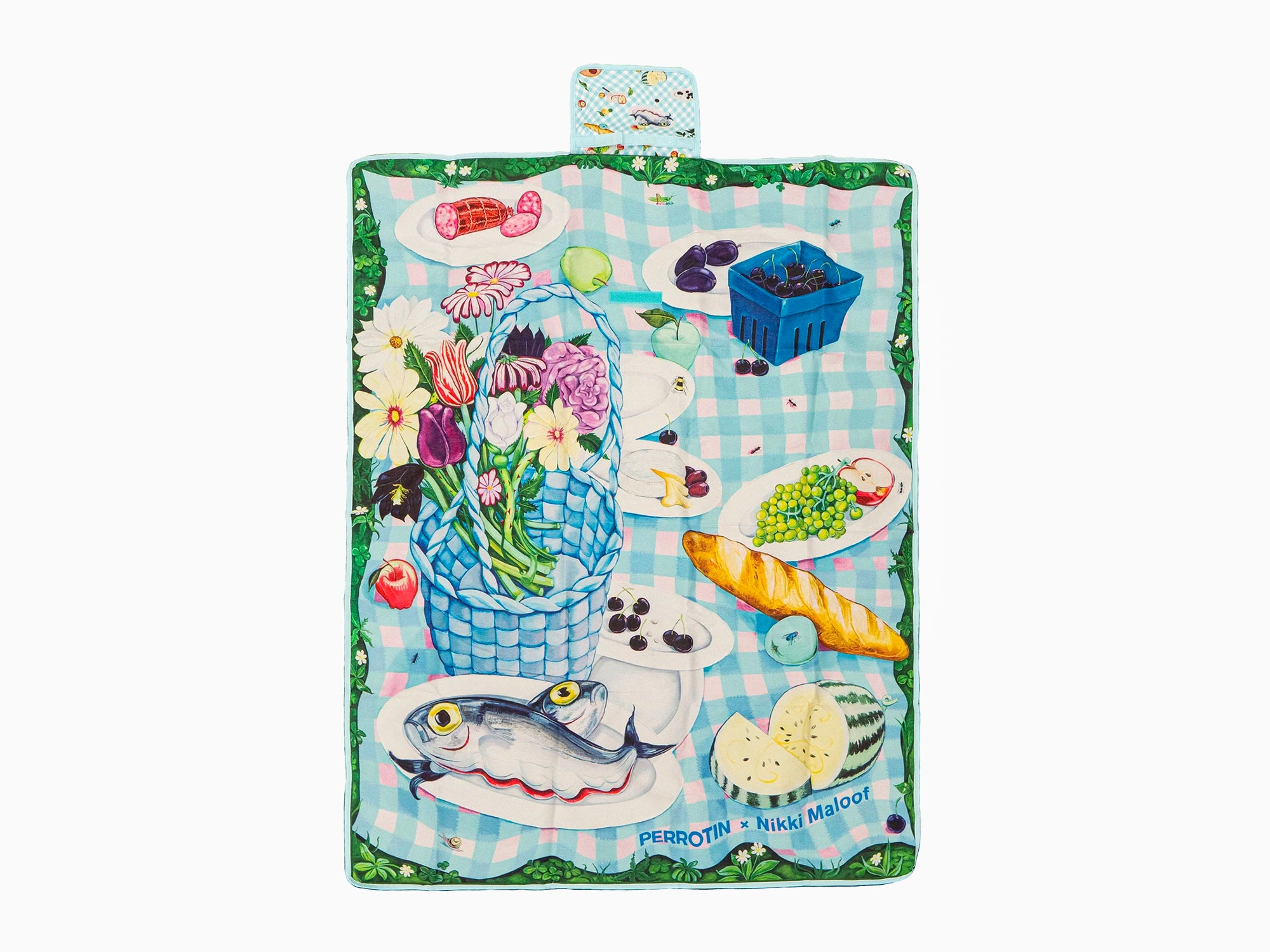
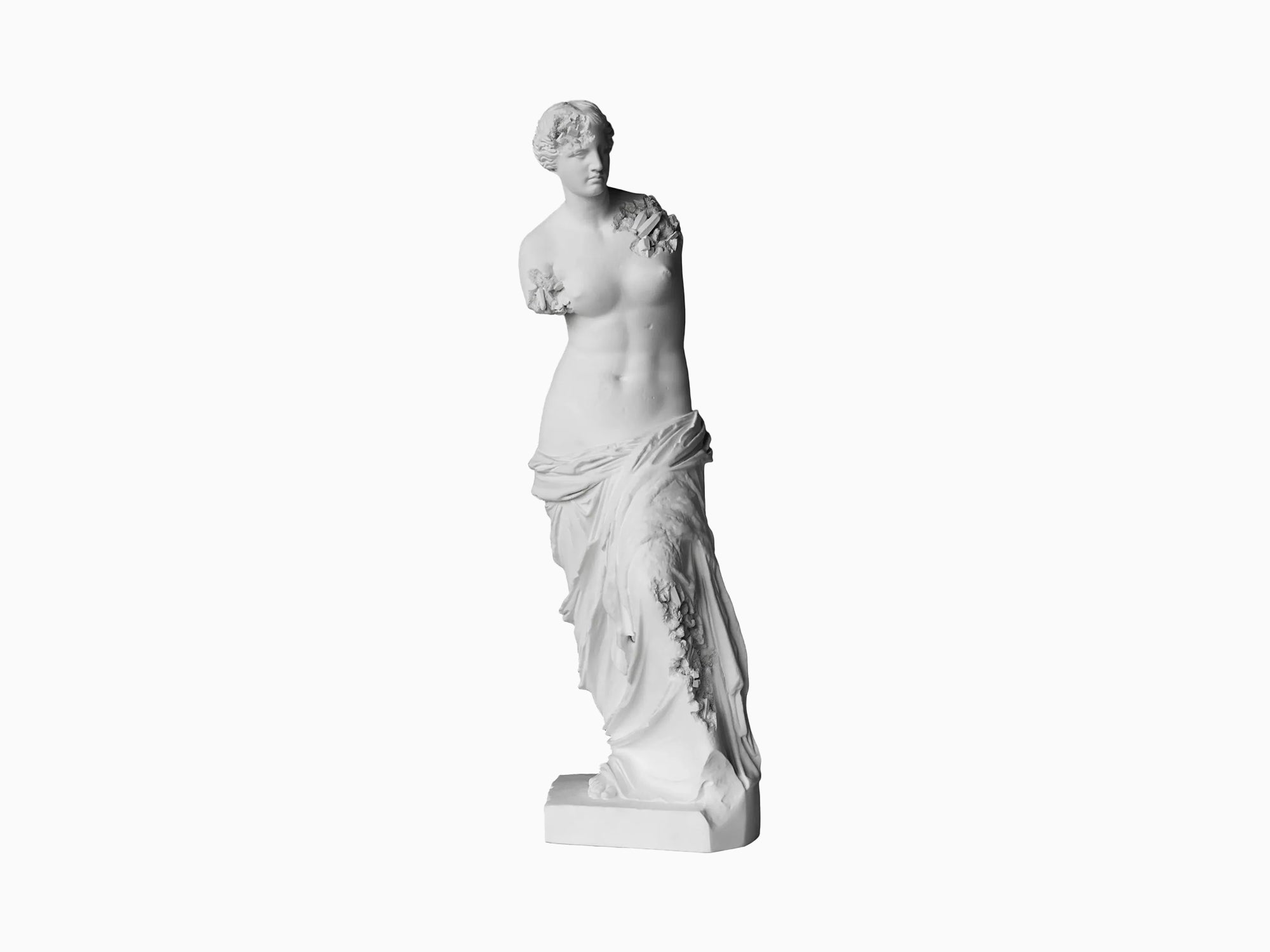
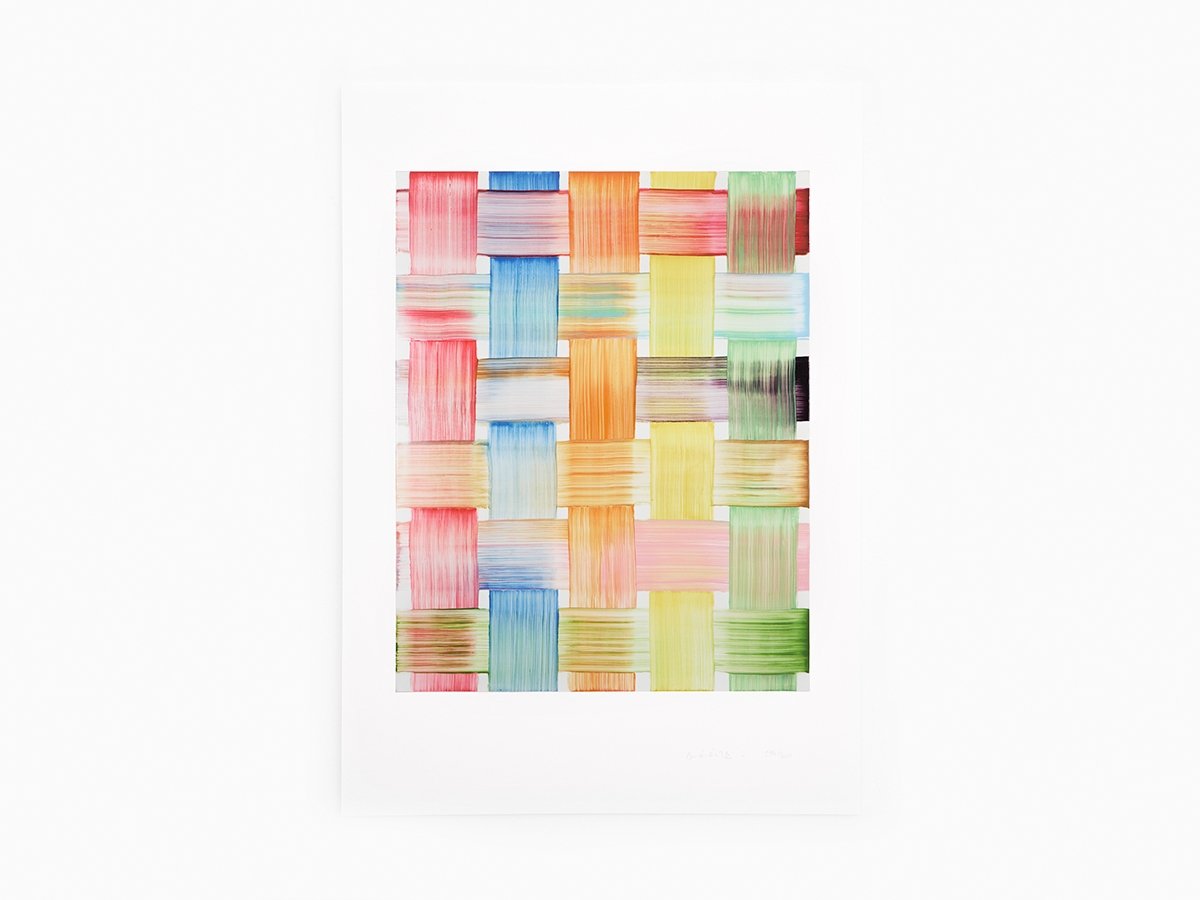
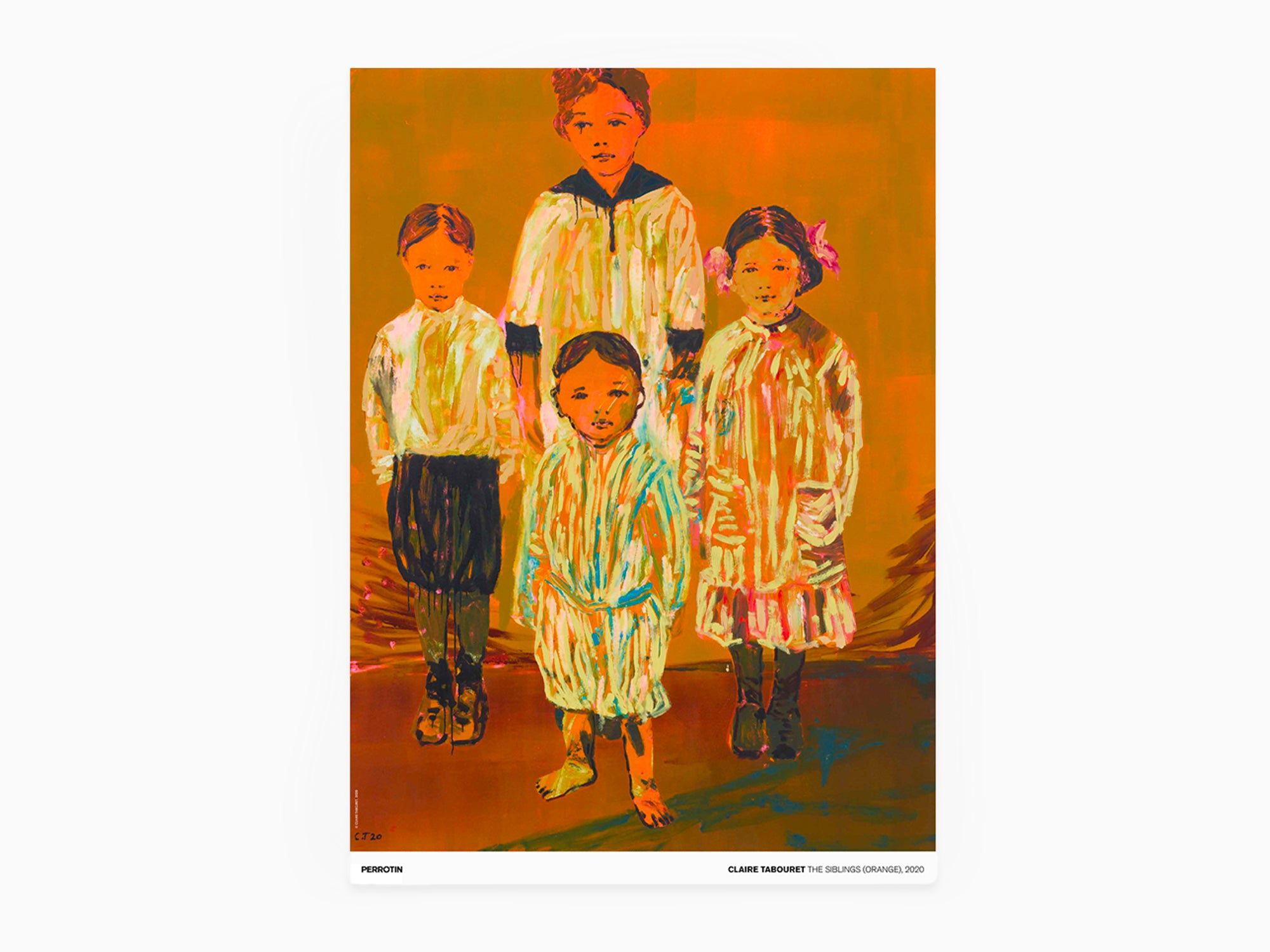
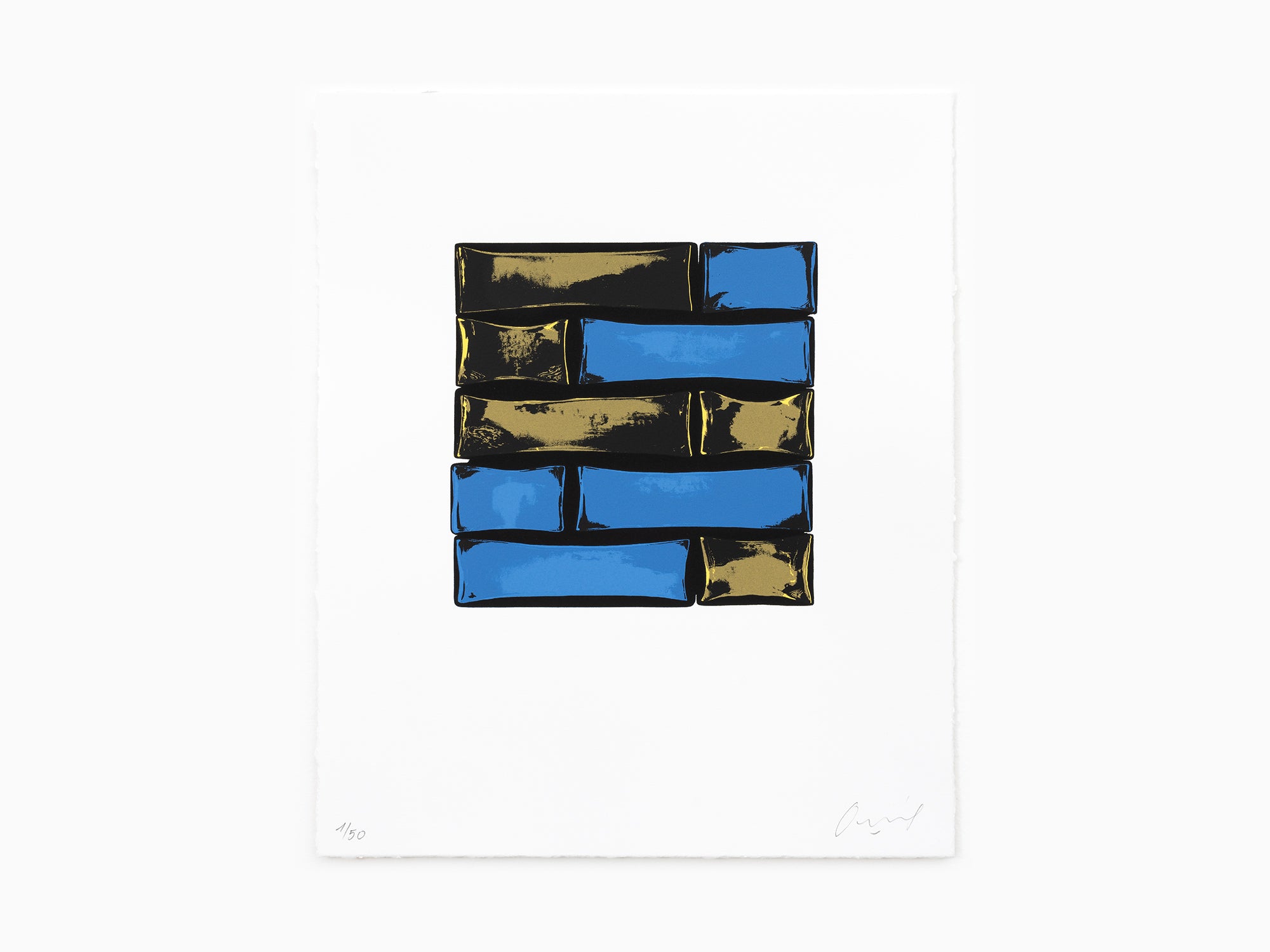
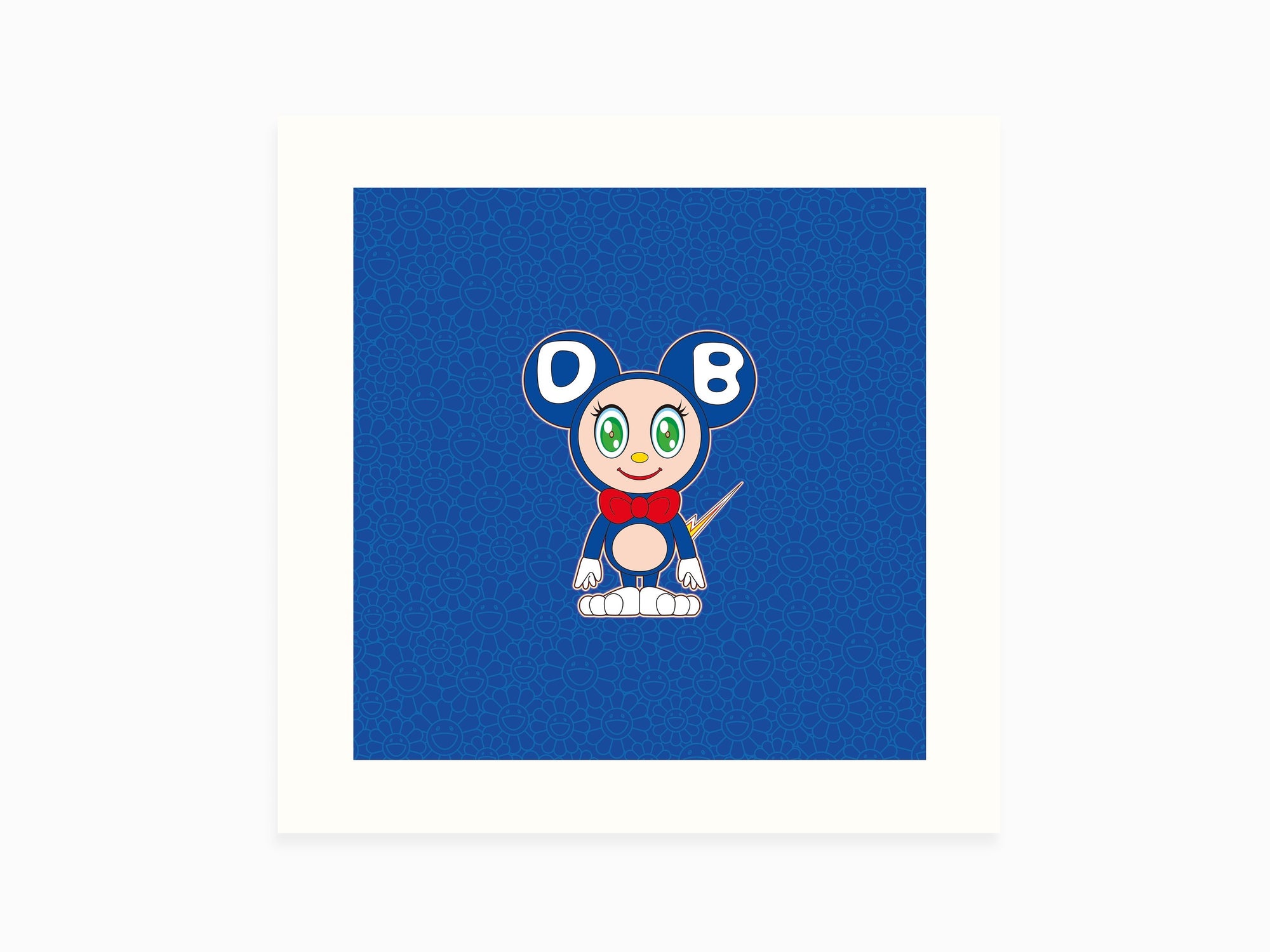
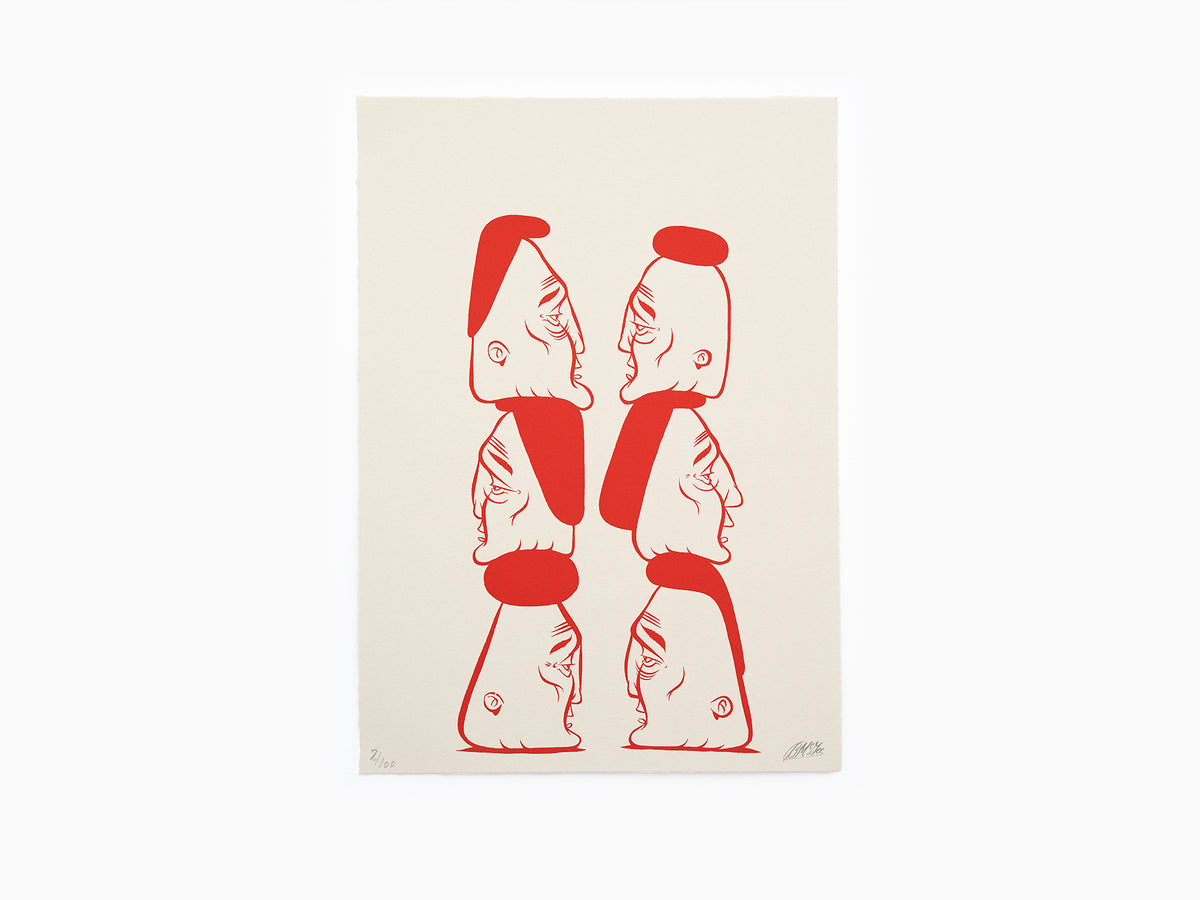
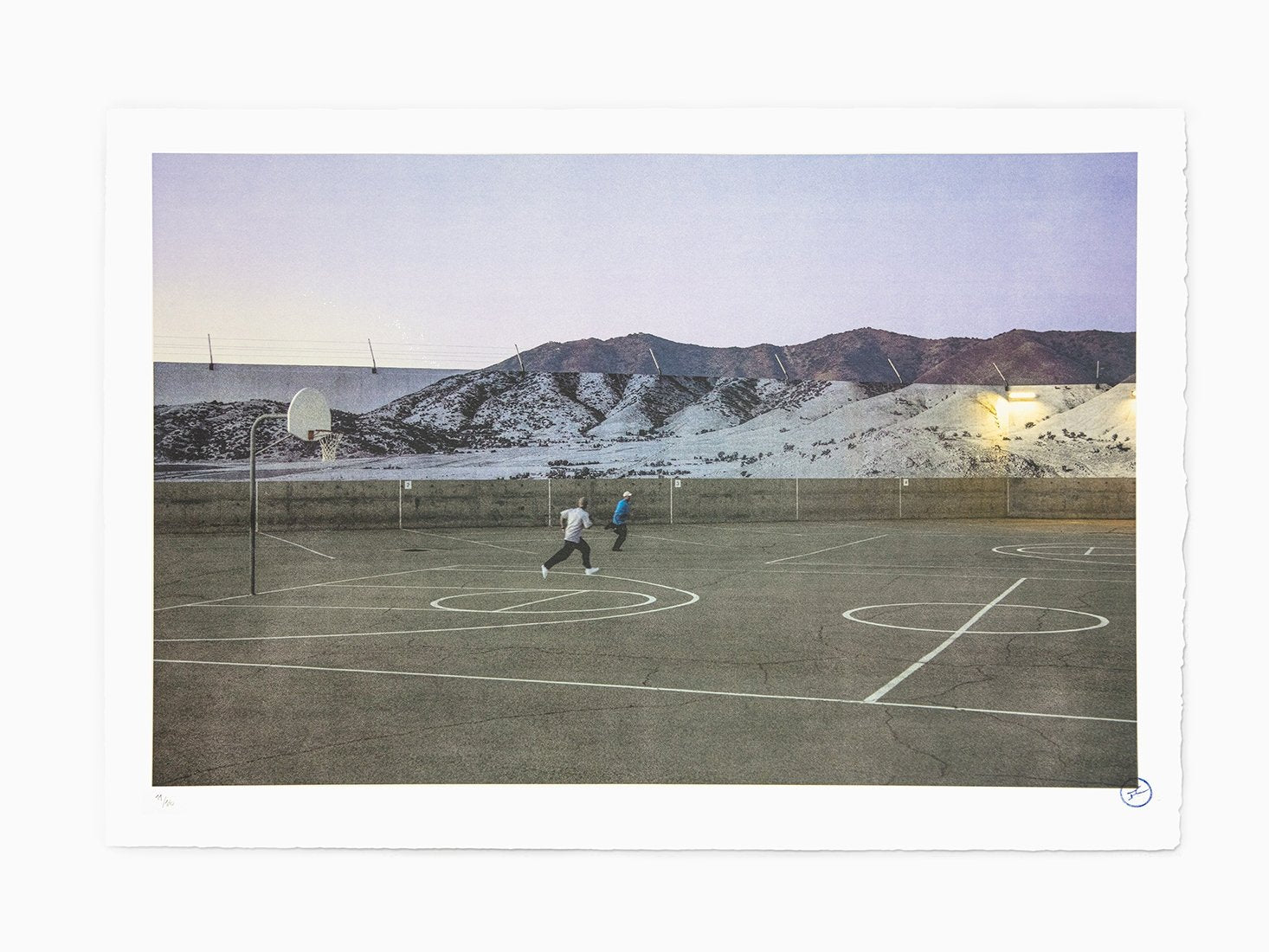
Looking to start your own collection, or simply find a beautiful piece to decorate your home? Discover our selection of serigraphs on the Perrotin online store:

What is a lithograph?

A lithograph is an artistic printing method invented in 1796 by Aloys Senefelder, based on the principle of repulsion between water and grease. Throughout history, it has been used by many great modern masters (such as Picasso, Miró, or Matisse), and it is still employed today by contemporary artists.

How is a lithograph made?

The creation of a lithograph involves several steps:

  • The artist draws directly onto a limestone slab (or a metal plate) using a greasy crayon or ink.
  • The stone is moistened so that water penetrates the areas not drawn.
  • The greasy ink adheres only to the drawn areas.
  • A lithographic press then transfers the image onto paper.

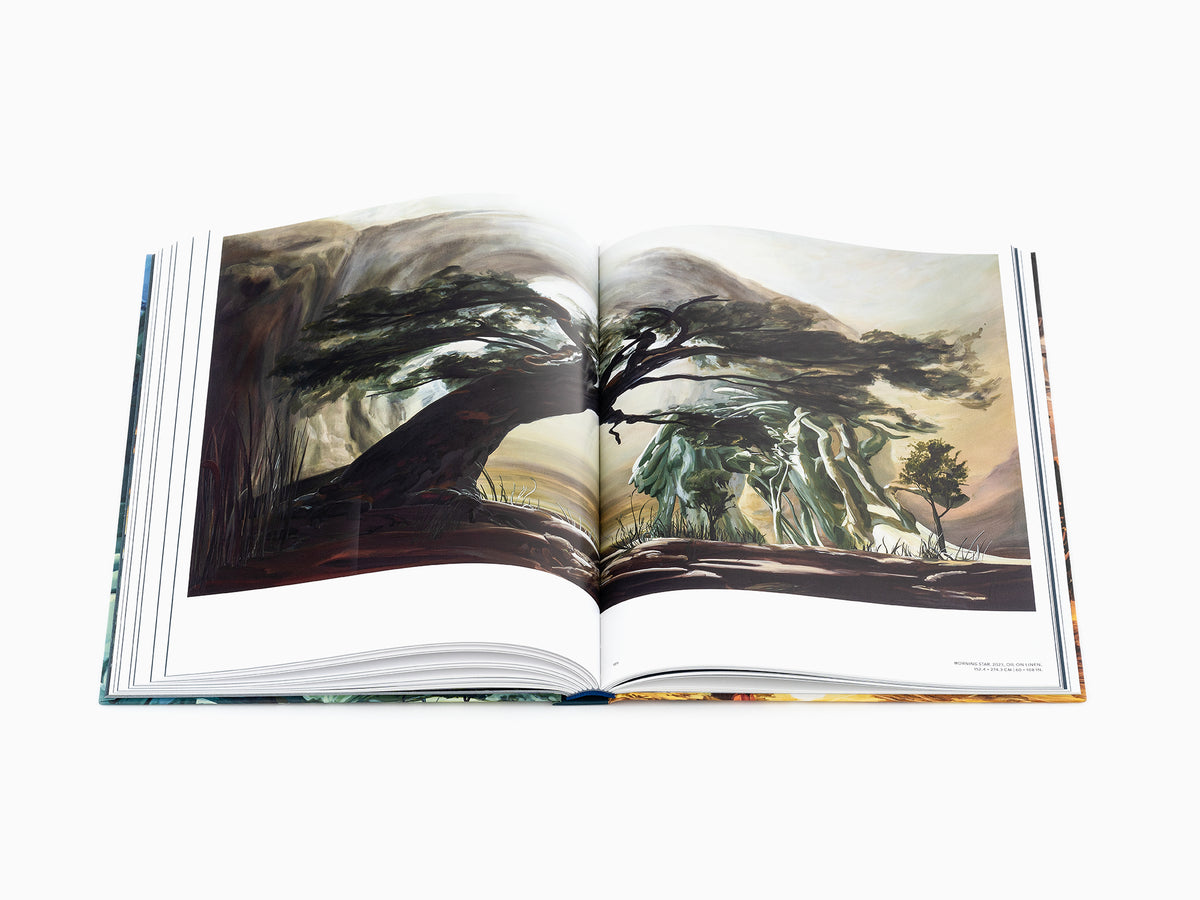
The aesthetic result of this technique is undeniable: fine lines, subtle nuances, and rich textures.
What is the value of a lithograph?

Like a serigraph, the price of a lithograph depends on:

  • The artist’s signature and numbering.
  • The rarity of the edition - note that the average lithograph edition is around 100 prints.
  • The artist’s reputation: for example, a lithograph signed by Picasso can be worth tens of thousands of euros.

Lithographs are often sought after by classical or modern art lovers. Compared to serigraphs, they are usually higher in value, but remain accessible depending on the artist.

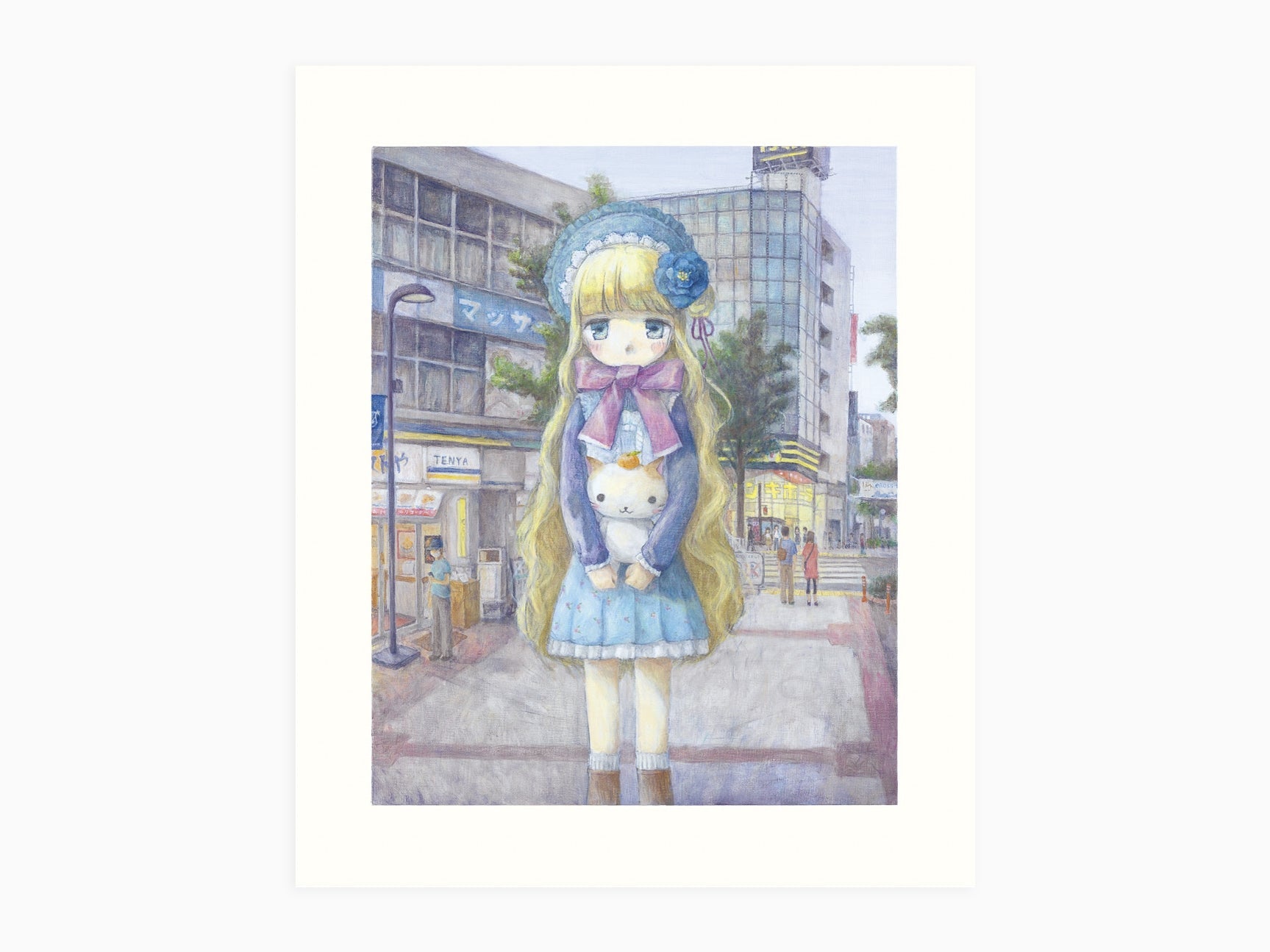
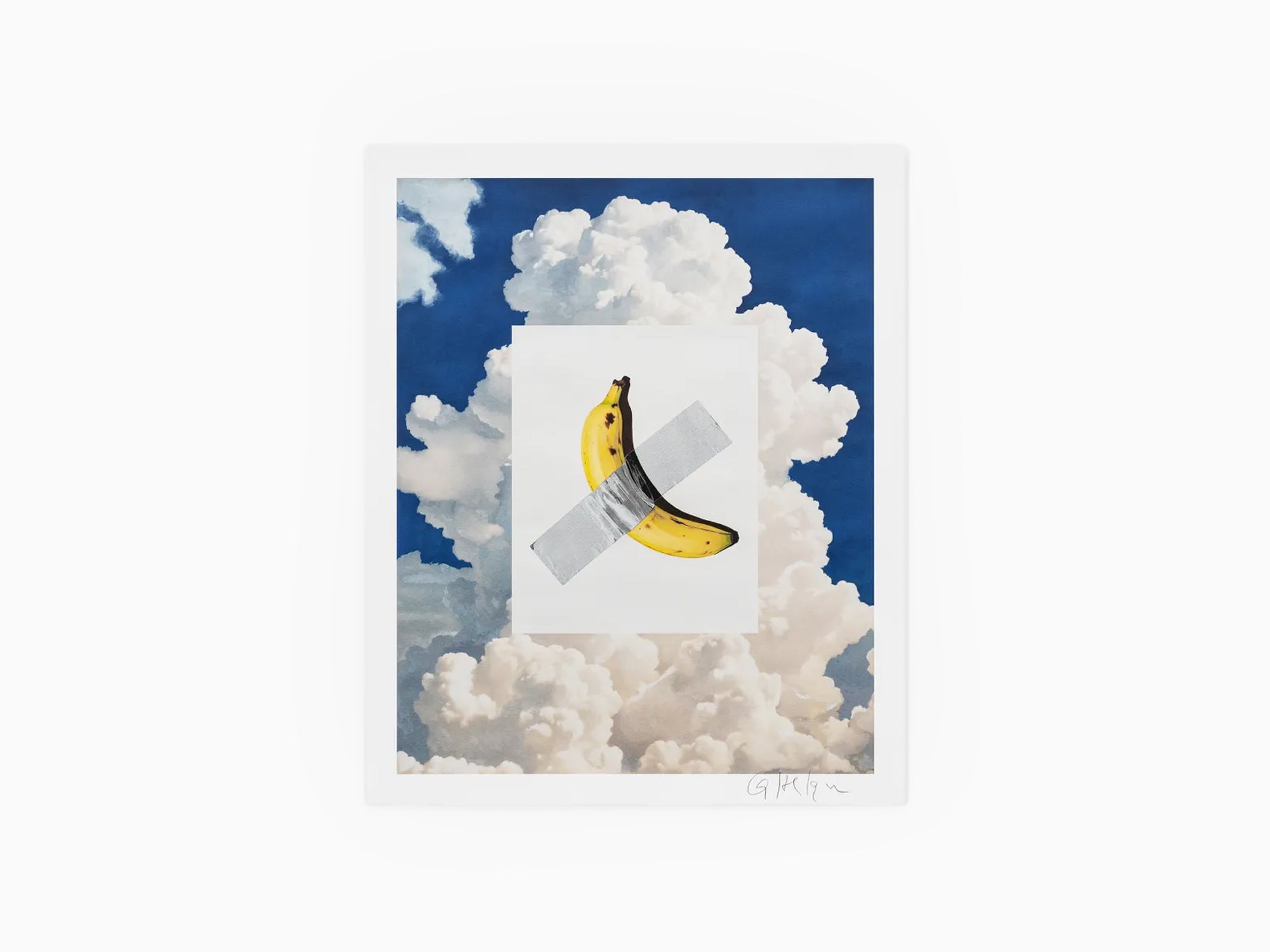
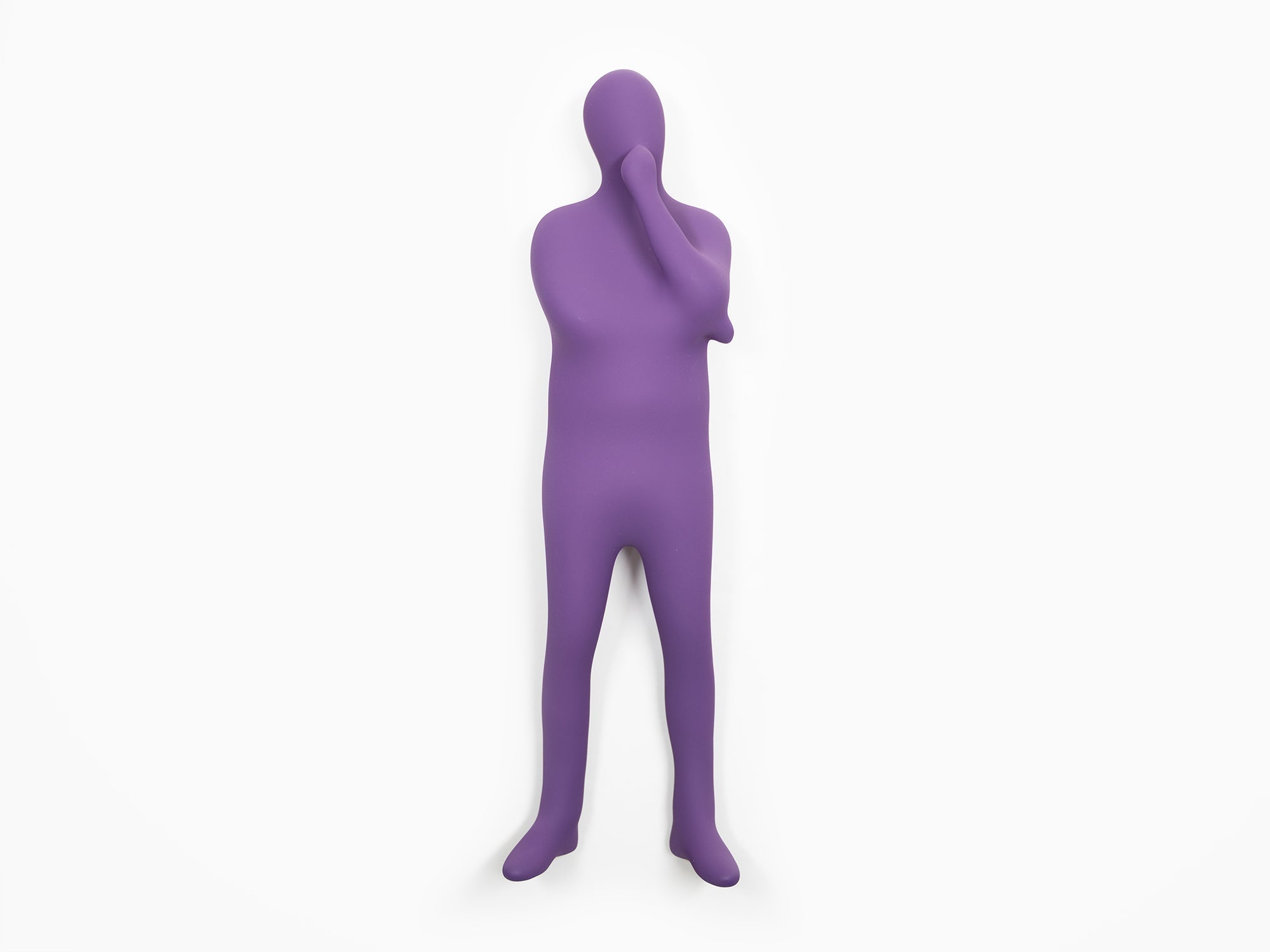
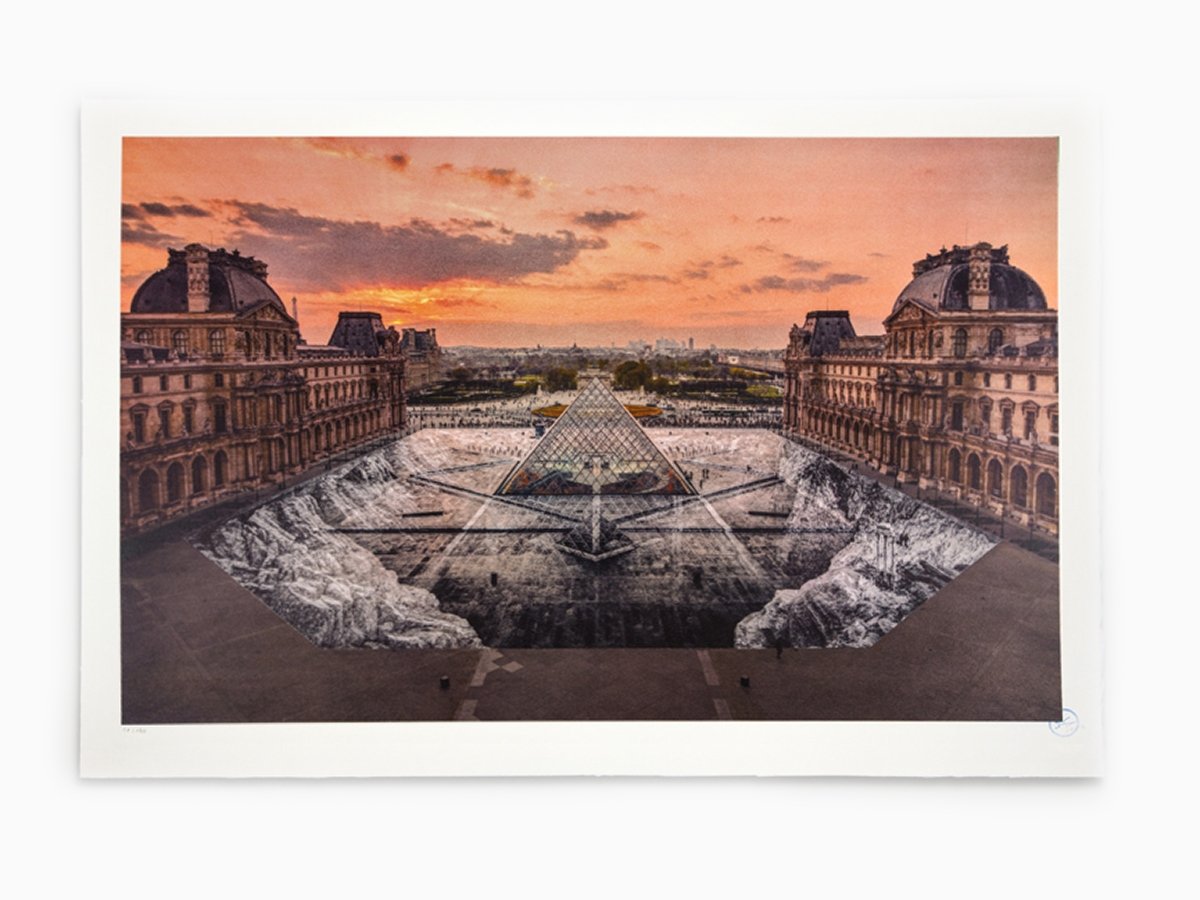
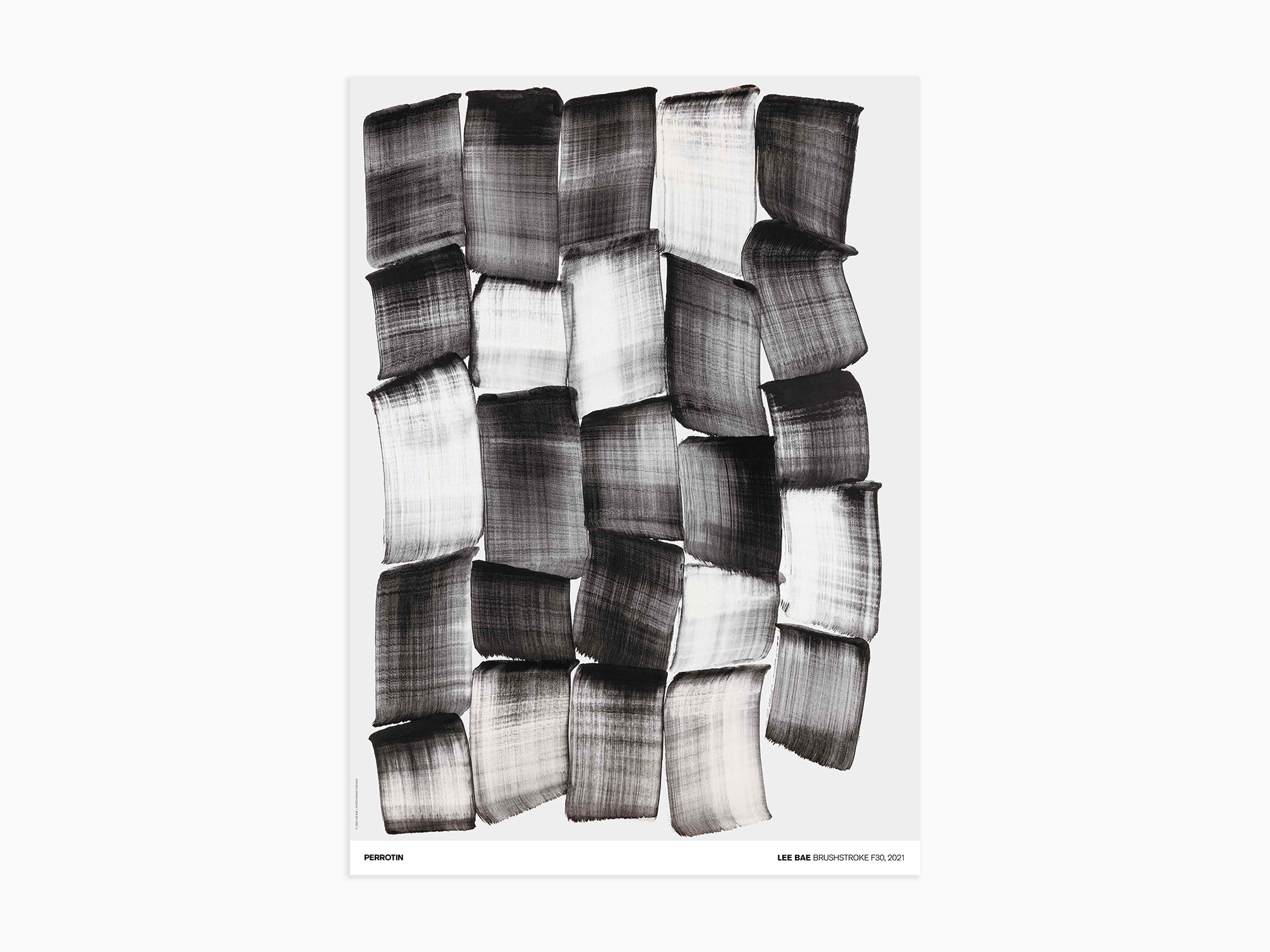
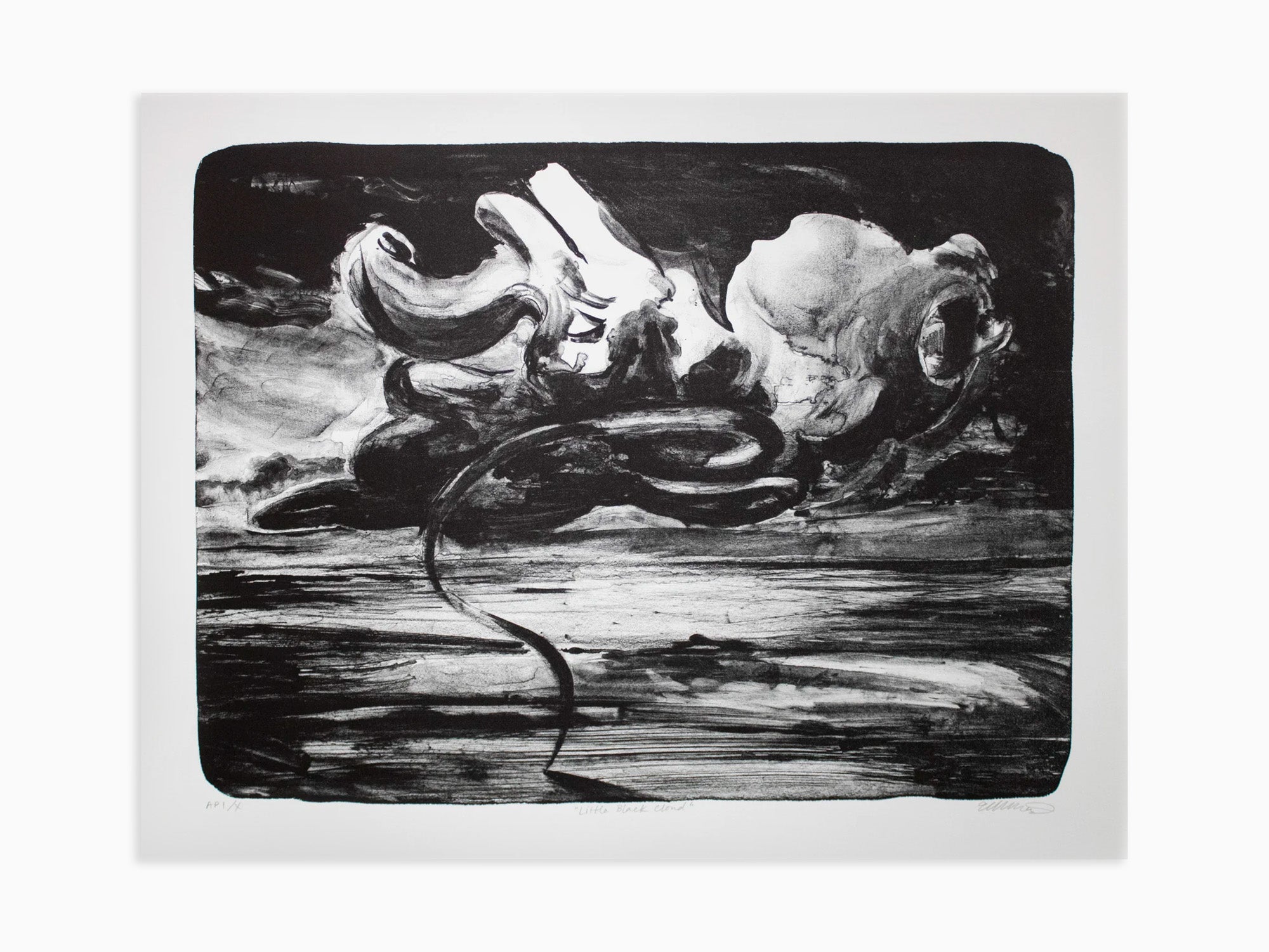
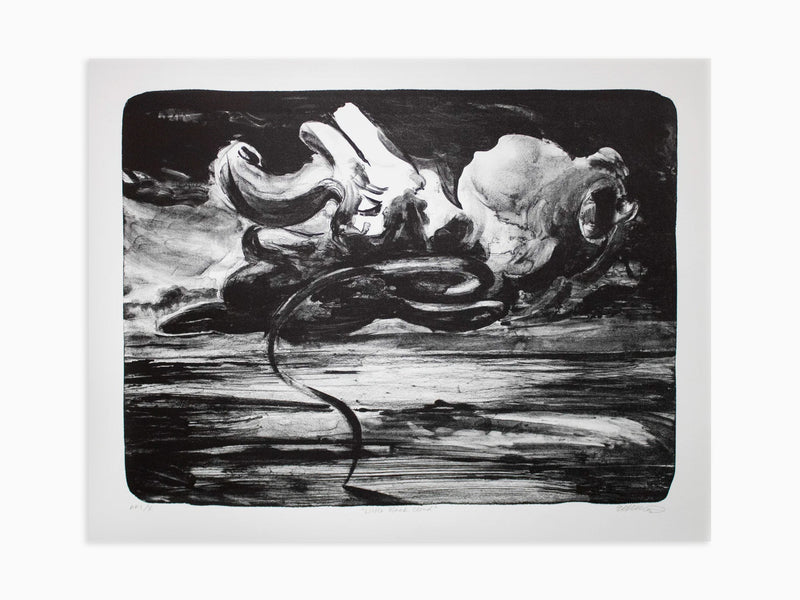
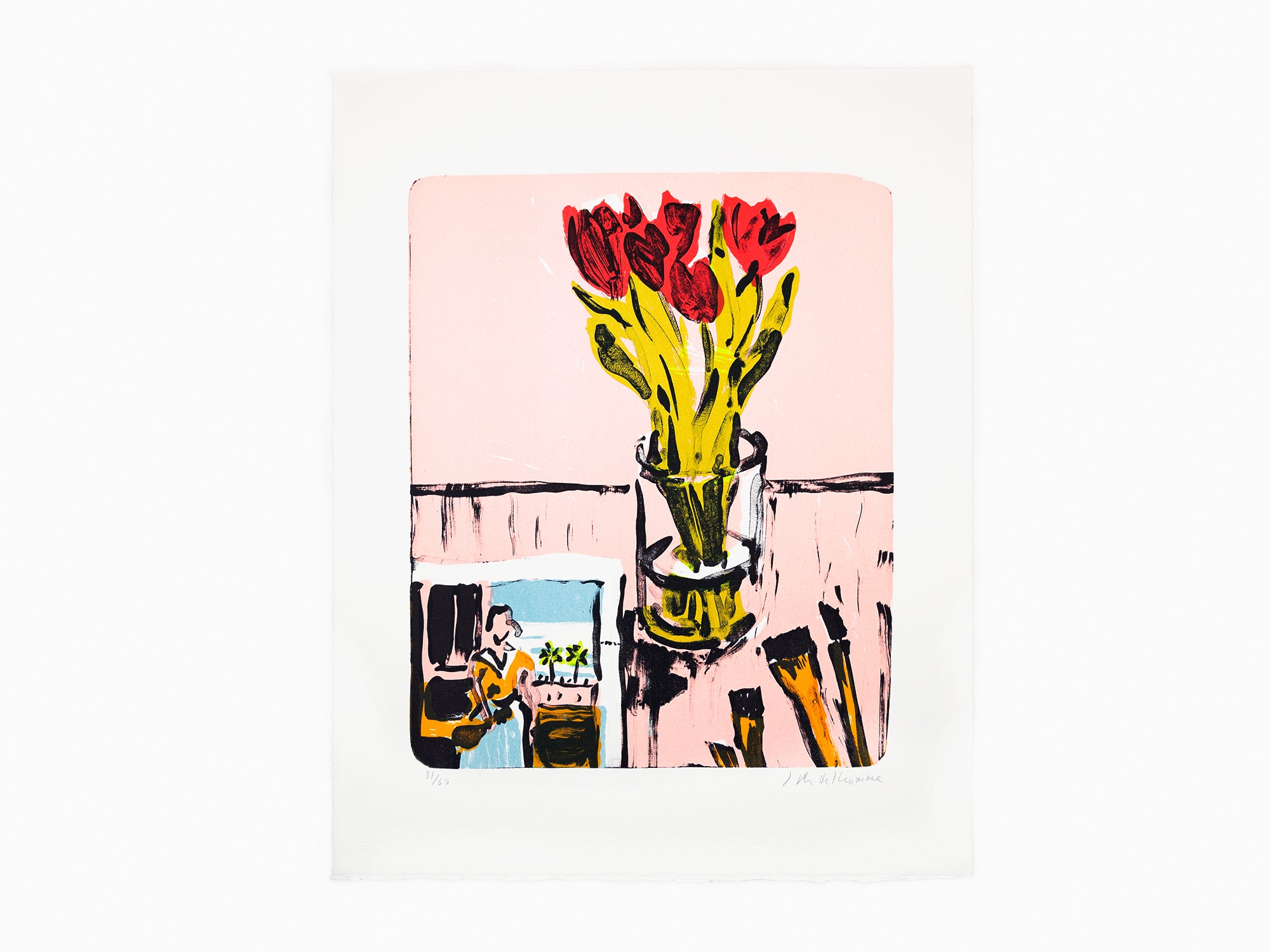
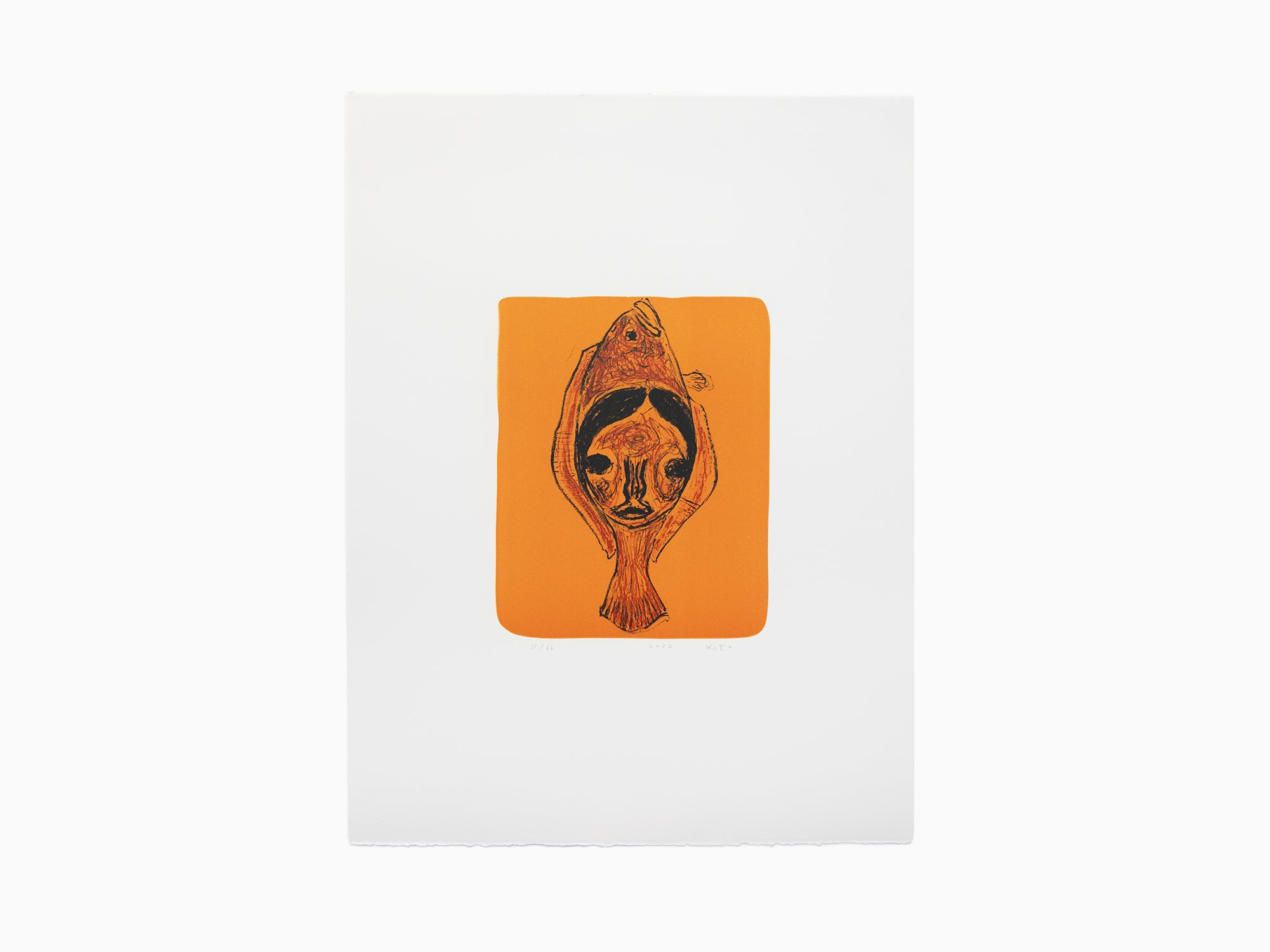
Browse the Perrotin store to find the next lithograph to add to your collection:

Serigraph or lithograph: what are the differences?

As you’ve seen, lithograph and serigraph are two flat printmaking techniques.

The main differences between these two printmaking practices lie in:

  • Printing technique: on one hand, the stencil (serigraph); on the other, the stone or plates (lithograph).
  • Materials used: a screen and ink for serigraphs; limestone and a greasy crayon for lithographs.
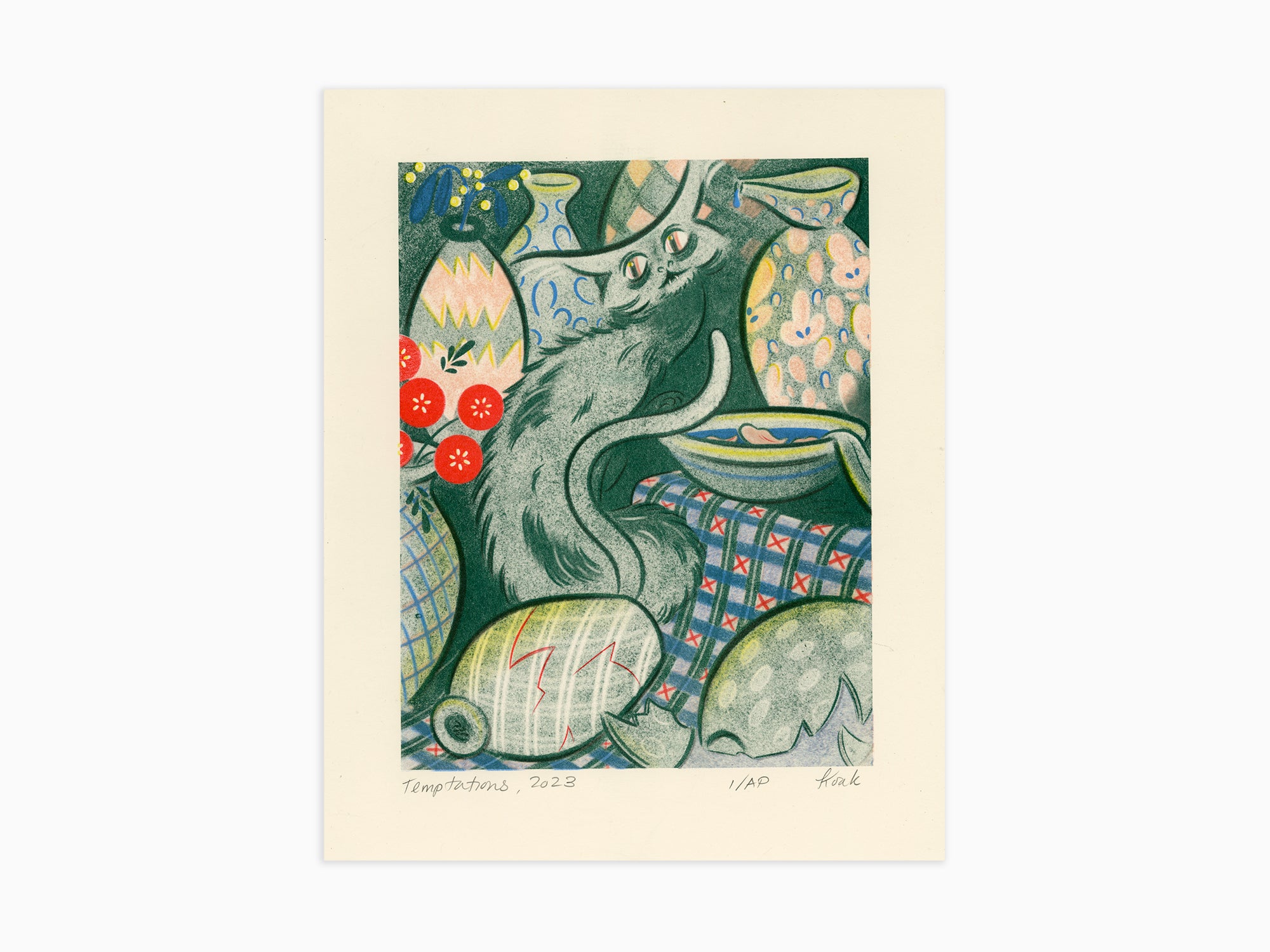
  • Visual result: bold, vibrant color blocks for serigraphs; fine lines and subtle textures for lithographs.
  • Iconic artists for each technique: Warhol or Lichtenstein for serigraphy; Picasso, Miró, or Soulages for lithography.

Value and accessibility: serigraphs are often more affordable; lithographs are more traditional and sometimes higher in market value.

Other types of art printing to know

Screen printing is part of a wide range of artistic printing techniques, each offering its own unique texture, finish, and expressiveness.

Here’s an overview of the main methods to know:

  • Heliogravure (Photogravure): an intaglio printing process made from a copper plate that is chemically etched. It allows for extremely fine details and subtle gradations, often used for reproducing artworks or photographs.
  • Woodcut (or Xylography): an ancient technique that involves carving out the non-printing areas of a wooden block. Ink is then applied to the raised surfaces, producing images with strong, contrasting outlines.
  • Metal Engraving: similar to woodcut, but performed on copper, zinc, or steel plates. This technique allows for finer lines and more durable printing plates.
  • Intaglio Printing (Taille-douce): a general term covering various engraving techniques on metal plates (such as etching, burin engraving, aquatint, or drypoint). The ink is held in the recessed lines, creating rich tones and a delicate finish.
  • Ukiyo-e (Japanese Woodblock Printing): a traditional Japanese woodblock technique popular between the 17th and 19th centuries. Each color is printed from a separate carved block, in a meticulous process that produced iconic works by artists like Hokusai and Hiroshige.
  • Piezography: a high-end inkjet printing process that uses multiple black and gray inks to achieve subtle tonal gradations. It is particularly valued for fine black-and-white photographic prints.

Fine Art Digital Print: a premium digital printing technique on fine art papers, using stable pigment-based inks. It combines technological precision with artistic quality, ideal for limited editions and contemporary art reproductions.

Our tips for choosing between different art printing techniques

This advice applies equally to lithographs and serigraphs: always choose a hand-signed and numbered example by the artist. Be cautious: many posthumous prints exist in the art world, often of lesser value, or produced without the artist’s knowledge.Whatever your project—decorating your home, starting a collection, or investing in a work of art—these tips can help guide your choice.

Follow your artistic preferences

First, consider choosing your type of flat print according to your personal taste and preferences. Remember: serigraphs are often associated with modernity, vibrant colors, and a pop style, while lithographs tend to reflect tradition, refinement, and subtlety.

Consider your budget

As you’ve seen, serigraphs and lithographs are not priced the same.

Serigraphs are often a great entry point for collectors. They are usually offered at accessible prices - starting from a few hundred euros for emerging contemporary artists. This makes them an excellent choice for starting a collection or giving a first piece of art.

Conversely, lithographs can be a more classic investment. Some older lithographs or those signed by well-known artists can reach very high values on the art market. For collectors, they are seen as a reliable investment, closely linked to tradition and art history.

Ensure the authenticity of your print

This advice applies equally to lithographs and serigraphs: always choose a hand-signed and numbered example by the artist. Be cautious: many posthumous prints exist in the art world, often of lesser value, or produced without the artist’s knowledge.

Buy from a specialized seller

Any damage to the work (folds, nail marks, trimming, humidity, sun exposure…) reduces its value. Always buy from a gallery, auction house, or specialized art dealer, who professionally preserves artworks to maintain their quality.

Ready to get started? Explore the contemporary prints available now on the Perrotin Store.